Category: Blog

  • How Pediatric Therapy Supports Early Childhood Development

    How Pediatric Therapy Supports Early Childhood Development

    Early childhood is a critical period of growth, discovery, and rapid development. During the first few years of life, children build the foundational skills they need for learning, communication, movement, and social interaction. While every child develops at their own pace, some may experience delays or challenges that require additional support. Pediatric therapy plays a vital role in helping children overcome these obstacles and reach important developmental milestones with confidence.

    Through personalized, evidence-based approaches, pediatric therapy supports children in building the physical, cognitive, emotional, and social skills necessary for long-term success. Whether addressing speech delays, motor coordination issues, sensory processing challenges, or behavioral concerns, early intervention can make a lasting difference.

    Enhancing Communication Skills Through Targeted Speech Therapy

    Communication is one of the most important developmental areas in early childhood. Pediatric speech therapy helps children improve their ability to express themselves and understand others. For children who struggle with speech delays, articulation difficulties, or language comprehension, early therapeutic intervention provides structured and engaging activities designed to strengthen these skills.

    Speech-language pathologists use play-based techniques, interactive exercises, and individualized treatment plans to encourage language development. By improving vocabulary, sentence formation, and listening skills, therapy helps children participate more fully in social and educational settings. Strong communication skills also support emotional regulation and self-confidence, allowing children to build meaningful relationships with peers and caregivers.

    Strengthening Motor Skills Through Physical Therapy

    Gross motor skills, such as crawling, walking, jumping, and balancing, are essential for independence and exploration. Pediatric physical therapy focuses on improving strength, coordination, flexibility, and balance in children who may have developmental delays, injuries, or medical conditions affecting movement.

    Therapists, such as those from Rise Pediatric Therapy, design age-appropriate activities that make physical development both fun and effective. Through guided exercises and therapeutic play, children build muscle tone and body awareness while gaining confidence in their abilities. Improved motor skills not only enhance physical health but also enable children to participate in everyday activities, from playground play to classroom tasks, with greater ease.

    Improving Fine Motor Abilities Through Occupational Therapy

    Fine motor skills are crucial for tasks such as holding a pencil, buttoning clothes, feeding independently, and manipulating small objects. Pediatric occupational therapy supports children who struggle with hand-eye coordination, grip strength, or sensory processing issues that affect daily functioning.

    Occupational therapists use hands-on activities tailored to each child’s needs to strengthen small muscle movements and improve coordination. These interventions often include sensory integration techniques that help children better process and respond to environmental stimuli. By refining fine motor abilities, therapy promotes greater independence and prepares children for academic success, particularly as they begin preschool and kindergarten.

    Supporting Social and Emotional Growth Through Developmental Interventions

    Healthy social and emotional development allows children to form relationships, manage emotions, and adapt to new environments. Pediatric therapy often includes strategies that help children develop appropriate social skills, emotional regulation, and positive behavior patterns.

    Therapists may work on turn-taking, eye contact, cooperative play, and coping strategies for frustration or anxiety. By creating a supportive and structured environment, therapy encourages children to practice these skills in meaningful ways. Early support in this area can reduce behavioral challenges and foster resilience, helping children navigate school and social situations more successfully.

    Promoting Cognitive Development Through Structured Play-Based Learning

    Cognitive development involves problem-solving, memory, attention, and the ability to understand cause and effect. Pediatric therapy incorporates play-based learning techniques that stimulate critical thinking and curiosity. Structured activities are carefully designed to challenge children at an appropriate developmental level while keeping them engaged.

    Through puzzles, storytelling, sequencing games, and interactive tasks, therapists help strengthen focus, comprehension, and reasoning skills. These cognitive improvements support academic readiness and encourage lifelong learning habits. When children receive early intervention for cognitive delays, they often demonstrate improved performance in school and greater confidence in tackling new challenges.

    Pediatric therapy is more than a treatment plan; it is a proactive investment in a child’s future. By addressing developmental concerns early and providing individualized support, therapy helps children build essential skills that set the stage for lifelong growth. When parents and professionals work together, children are given the opportunity to reach their fullest potential and confidently embrace each new stage of development.


  • When to Consider Switching to Online Counseling Sessions

    When to Consider Switching to Online Counseling Sessions

    Mental health care has evolved rapidly in recent years, and online counseling has become a trusted option for many people. With greater accessibility, flexibility, and privacy, virtual sessions are helping individuals receive the support they need without the barriers that often come with in-person visits.

    But when is the right time to consider making the switch? Let’s explore the situations where online counseling can be especially beneficial.

    When Busy Schedules Make In-Person Visits Difficult

    Life can get hectic, and finding time to commute to a clinic may feel overwhelming. Online counseling sessions allow you to connect with a licensed professional from the comfort of your home, office, or even while traveling. This flexibility makes it easier to stay consistent with therapy, which is essential for progress.

    If your schedule is packed with work, family responsibilities, or school commitments, switching to online counseling can help you prioritize your mental health without sacrificing other important parts of your life.

    When Accessibility is a Challenge

    Not everyone lives near a counseling clinic, and for those in rural or underserved areas, access to mental health services can be limited. Online counseling bridges this gap by connecting clients with professionals regardless of location.

    This means you can choose from a wider range of specialists who fit your needs, rather than being restricted to the few available nearby. For individuals who face transportation challenges or mobility issues, online counseling can be a practical and empowering solution.

    When Privacy and Comfort are Priorities

    Some people hesitate to seek counseling because they worry about being seen entering a clinic or feel uncomfortable in unfamiliar settings. Online counseling sessions provide a private and secure environment where you can open up more freely.

    Being in a familiar space often helps reduce anxiety and makes it easier to focus on the conversation. If privacy and comfort are important to you, switching to online counseling may help you feel more at ease while receiving professional support.

    When Consistency Matters Most

    Therapy works best when sessions are regular and consistent. However, unexpected events like travel, illness, or weather disruptions can interfere with in-person appointments. Online counseling eliminates many of these barriers, ensuring that you can maintain steady progress.

    Clinics offering online counseling appointments, like Different Mental Health, make it easier to stay on track with your treatment plan, no matter what life throws your way. This reliability can be especially valuable for individuals managing long-term conditions such as anxiety or depression.

    When You Want More Options and Flexibility

    Online counseling often provides more choices in terms of scheduling, therapist availability, and session formats. Some clinics offer video calls, phone sessions, or even secure messaging options, giving you the flexibility to choose what works best for your lifestyle.

    This variety can make therapy feel more personalized and adaptable to your needs. If you’ve struggled to find a counselor who fits your schedule or communication style, exploring online options may open new doors.

    When You’re Ready to Take the First Step

    For many, the hardest part of seeking counseling is making that initial appointment. Online counseling can make this step less intimidating by removing logistical barriers and offering a more approachable entry point.

    Whether you’re dealing with stress, relationship challenges, or personal growth goals, starting with online sessions can help you ease into the process and build confidence in your journey toward better mental health.

    Conclusion

    Switching to online counseling sessions can be a powerful choice when convenience, accessibility, privacy, and consistency matter most. With clinics offering flexible options and supportive professionals, virtual therapy is helping more people take control of their mental well-being.

    If you’ve been considering counseling but feel held back by time, distance, or comfort concerns, online sessions may be the right step forward. Your mental health deserves attention, and online counseling makes it easier than ever to give it the care it needs.

  • How Chiropractic Treatment Supports Injury Recovery for CDL Holders

    How Chiropractic Treatment Supports Injury Recovery for CDL Holders

    Commercial drivers face unique physical demands every day. Long hours behind the wheel, repetitive movements, and heavy lifting can take a toll on the body. When injuries occur, recovery is not only about feeling better but also about meeting the strict requirements of maintaining a Commercial Driver’s License (CDL).

    In this article, we’ll discuss how chiropractic care offers a safe and effective way to support recovery, improve mobility, and help drivers return to work with confidence.

    Addressing the Physical Strain of Commercial Driving

    Driving for extended periods places stress on the spine, shoulders, and hips. CDL holders often deal with back pain, neck stiffness, and joint discomfort from sitting in one position for hours. These issues can worsen after an injury, making daily tasks more difficult.

    Chiropractic treatment focuses on restoring proper alignment and reducing inflammation. By improving spinal health, drivers experience less pain and greater flexibility. This helps them handle long routes more comfortably and reduces the risk of recurring injuries.

    Supporting Recovery After Work-Related Injuries

    Commercial drivers are at risk of strains, sprains, and repetitive stress injuries. Lifting cargo, climbing in and out of trucks, and handling equipment can lead to musculoskeletal problems. Chiropractic care provides targeted adjustments that promote healing in injured tissues.

    Techniques such as spinal manipulation, soft tissue therapy, and rehabilitative exercises help restore strength and mobility. Unlike medications that only mask pain, chiropractic treatment addresses the root cause of discomfort. This approach shortens recovery time and allows drivers to return to work safely.

    Enhancing Mobility and Preventing Re-Injury

    One of the biggest challenges for CDL holders after an injury is regaining full mobility. Limited movement can affect driving performance and increase the risk of accidents. Chiropractic care improves joint function and muscle balance, making movements smoother and less painful.

    Regular adjustments also help prevent re-injury by keeping the body aligned and resilient. For drivers, this means fewer setbacks and more confidence in their ability to perform physically demanding tasks.

    Meeting DOT Health Requirements with Chiropractic Care

    Maintaining a CDL is more than just holding a license—it requires drivers to meet strict health standards set by the Department of Transportation. Every CDL holder must pass a DOT-certified physical exam, which evaluates vision, hearing, blood pressure, and overall physical ability. This exam ensures that drivers are capable of safely operating large vehicles and handling the physical demands of the job.

    For drivers recovering from injuries, passing the exam can feel like an added challenge. Pain, stiffness, or reduced mobility may interfere with their ability to meet these requirements. Chiropractic care plays a valuable role in helping drivers prepare for and succeed in these exams. By addressing musculoskeletal issues, chiropractors reduce pain and restore proper alignment, which improves posture and movement.

    Improving Overall Wellness for Long-Term Driving Careers

    Recovering from an injury is only the beginning of a driver’s health journey. For CDL holders, maintaining long-term wellness is just as important as short-term recovery. The lifestyle of a commercial driver often involves extended hours of sitting, irregular sleep schedules, and limited opportunities for exercise. Over time, these factors can contribute to chronic pain, fatigue, and reduced alertness.

    Chiropractic care offers a holistic approach to wellness that goes beyond injury treatment. Regular chiropractic adjustments help reduce stress on the spine and improve circulation, which supports better energy levels and overall health. Drivers often report improved sleep quality after consistent care, which is critical for staying alert and focused on the road.

    Conclusion

    For CDL holders, injury recovery is about more than just healing—it’s about staying fit for the road and meeting professional requirements. Chiropractic treatment offers a natural, effective way to reduce pain, restore mobility, and support long-term wellness.

    By addressing the physical challenges of commercial driving and helping drivers meet DOT standards, chiropractic care plays a vital role in keeping America’s commercial drivers healthy and moving forward.

  • How CBCT Imaging Enhances Upper Cervical Precision

    How CBCT Imaging Enhances Upper Cervical Precision

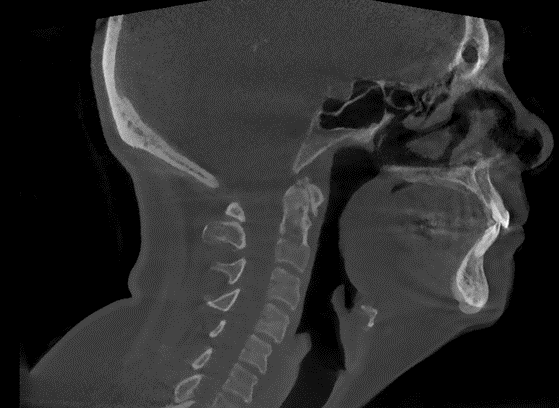
    If you’ve ever had neck pain, migraines, or unexplained neurological symptoms, you know how frustrating it can be to chase relief without clear answers. That’s why at Neuroplasticity St Pete, we take a deeper look—literally. We often use Cone Beam Computed Tomography (CBCT) because CBCT imaging enhances upper cervical precision in ways traditional X-rays simply can’t.

    The upper cervical spine, especially the atlas (C1) and axis (C2), sits just beneath the brainstem. It’s a highly sensitive and mobile area, where even the smallest misalignment can affect the nervous system. That’s why accuracy matters so much. With CBCT, we can see the neck and skull in 3D, allowing our doctors to measure the exact angle and position of these bones.

    So, how CBCT imaging enhances upper cervical precision comes down to this: clarity. Regular X-rays offer a flat, two-dimensional view that can hide subtle but clinically significant issues. CBCT, on the other hand, gives us detailed cross-sections from multiple angles—helping us find exactly where the problem is and how best to correct it.

    At Neuro St Pete, this technology helps us design more accurate and gentle adjustments. No guessing. No cracking. Just precise corrections that are custom-tailored to your anatomy. And when the correction is right, it holds longer, giving your body time to heal without repeated interventions.

    Patients from St Petersburg, Gulfport, and Clearwater often tell us they’re relieved to finally have clear imaging that explains their symptoms. It’s not uncommon for someone to walk in with years of misdiagnosed pain, only to find that a small misalignment near the brainstem was the missing link. That’s how CBCT imaging enhances upper cervical precision—by bringing invisible issues into focus.

    If you’ve tried everything and still don’t feel right, it might be time to look closer. Call (727) 202-6006 to schedule an initial exam and CBCT scan at Neuroplasticity St Pete. We’ll show you how CBCT imaging enhances upper cervical precision and how the right diagnosis can finally lead to the right solution.

    This post was written by a professional at Neuroplasticity St Pete. At Neuroplasticity St Pete, we specialize in functional medicine, combining acupuncture and chiropractic care to help you achieve optimal health. As a leading acupuncture St Pete FL, we begin with an in-depth intake, assessing your body, brain, pain, and goals to create a tailored plan. We utilize cutting-edge Upper Cervical Adjustments, Functional Neurology, and Chiropractic techniques to activate your brain’s healing potential. Unlike traditional medicine, we address root causes, not just symptoms. Our patient-centered, results-driven model empowers you to choose the best path for your wellness journey. Experience the future of healthcare—holistic, personalized, and transformative.

  • Debunking Common Myths About CBD

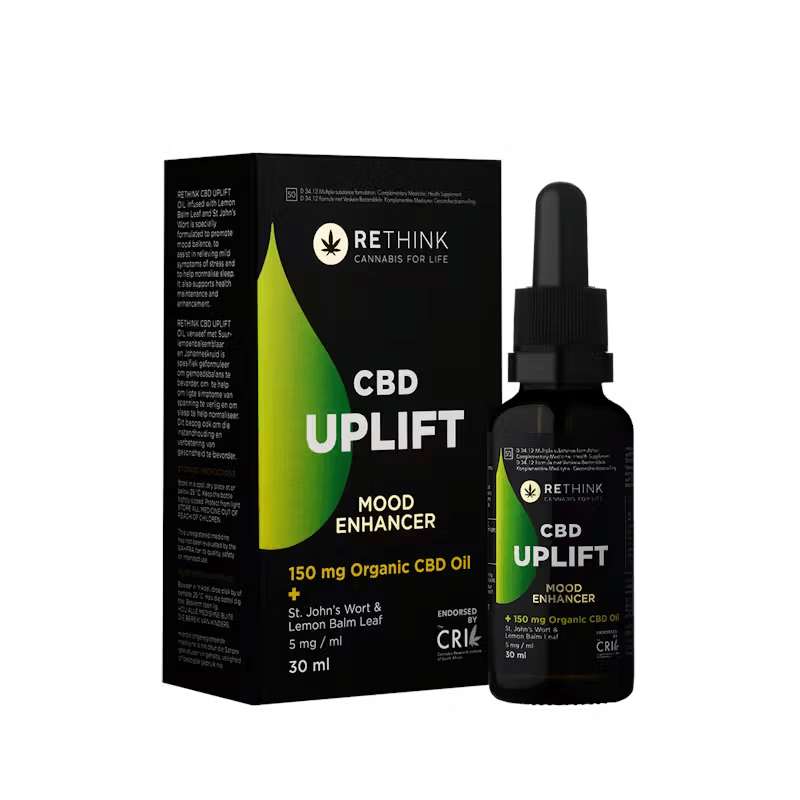
    CBD (cannabidiol) has become a wellness staple, offering benefits for stress relief, sleep, pain management, and overall well-being. However, despite its growing popularity, many misconceptions still surround CBD. Let’s separate fact from fiction by debunking some of the most common myths about CBD.

    Myth #1: CBD Gets You High

    Truth: CBD is non-psychoactive, meaning it won’t cause a “high” like THC. While both compounds come from cannabis, CBD interacts with the body differently, promoting relaxation and balance without intoxication.

    Myth #2: CBD Is the Same as Marijuana

    Truth: CBD can be derived from both hemp and marijuana, but hemp-derived CBD contains less than 0.3% THC, making it legal in most places. Unlike marijuana, hemp-based CBD products do not have mind-altering effects.

    Myth #3: More CBD Means Better Results

    Truth: Higher doses don’t always lead to better effects. CBD has an optimal dosage range, and too much may actually reduce its effectiveness. It’s best to start with a low dose and adjust based on how your body responds.

    Myth #4: CBD Works Instantly for Everyone

    Truth: While some people feel immediate relief, CBD’s effects vary based on factors like metabolism, body chemistry, and method of consumption. Oils and vapes work faster, while gummies and capsules take longer to absorb.

    Myth #5: CBD Is Only for People with Health Issues

    Truth: While CBD is used for conditions like anxiety, chronic pain, and sleep disorders, it’s also beneficial for general wellness. Many people use CBD as part of their daily self-care routine to support relaxation, focus, and overall balance.

    Myth #6: CBD Is Addictive

    Truth: According to the World Health Organization (WHO), CBD is non-addictive and safe for regular use. Unlike opioids or THC, it does not create dependence or withdrawal symptoms.

    Myth #7: All CBD Products Are the Same

    Truth: The quality of CBD products varies widely. Always choose third-party tested, organic, and full-spectrum or broad-spectrum CBD to ensure purity and effectiveness.

    Final Thoughts

    Misinformation about CBD can keep people from experiencing its benefits. By understanding the facts, you can make informed decisions about incorporating CBD into your wellness routine. As always, choose high-quality products and consult a professional if needed.

    This article was written by a CBD Specialist at Uplift CBD. At Uplift CBD, we strive to provide our customers with the highest level of satisfaction by providing the best quality products.

    We source our naturally occurring cannabinoids from only premium USA hemp farms. Our THCA flower pound is hand-made and carefully formulated to promote a legal, safe alternative to Delta 9 marijuana. They are grown and extracted in the USA. Because our CBD products are 100% natural and derived from the Non-GMO industrial hemp plant, they are legal for sale across all 50 states of the USA. Independently lab tested for purity and concentration; no other company has the quality and quantity of natural cannabinoids in our products for the same value! Shop our products today!

  • THCA vs CBD: Which Should You Choose?

    If you’ve been looking into plant-based wellness, chances are you’ve come across THCA and CBD and wondered what sets them apart. Both are non-psychoactive (at least in their raw forms), both come from cannabis, and both have growing followings. So, how do you choose the right one for you?

    Let’s break it down in a way that makes sense—no jargon, no hype, just clear info.

    The Basics: THCA and CBD Defined

    THCA (tetrahydrocannabinolic acid) is the raw, unheated form of THC. It doesn’t get you high, but it may offer anti-inflammatory, anti-nausea, and neuroprotective effects. It’s found in raw cannabis and is often used by those looking to manage pain or inflammation without any mental fog.

    CBD (cannabidiol), on the other hand, is a fully active compound that’s known for its calming properties. It’s widely used to help with anxiety, sleep, and general stress relief. Unlike THCA, CBD doesn’t convert into something psychoactive, even when heated.

    So Which One Is Better for Wellness?

    Here’s the real answer: it depends on what you’re dealing with. If your main focus is on inflammation, chronic pain, or even muscle spasms, THCA might be your go-to. Especially if you’re using it raw (like in capsules or tinctures), you get potential therapeutic benefits without any high.

    If you’re more concerned about anxiety, mood, or sleep, CBD might fit better. It’s generally easier to find in mainstream wellness products and has more scientific backing when it comes to stress-related issues.

    That said, many people combine both for a fuller, more balanced experience—and that’s something we encourage at Utoya.

    Utoya’s Perspective on THCA vs CBD

    At Utoya, we don’t believe in one-size-fits-all wellness. That’s why we offer both THCA and CBD products, so you can tailor your experience to your specific needs. Our THCA products are crafted from high-quality hemp, lab-tested for purity, and perfect for users who want natural relief without the high. Same goes for our CBD—clean, reliable, and ready when you are.

    Still Unsure Which Is Right for You?

    Give us a call at 813-697-4747 or browse our online store to explore your options. Whether it’s THCA, CBD, or both, Utoya has what you need to feel better, your way.

    This post was written by a professional at Utoya Organics. Utoya Organics is a producer, developer and manufacturer of hemp-derived products. Buy Delta 8 THC, Delta 9 THC, THCP, HHC, THC-O, CBD, CBG, CBN, and more! We formulate our own products and distribute them all over the United States with over 400 locations nationwide. Utoya specializes in cannabinoid products such as edibles, flowers, tinctures, vapes, THCA Pre Roll and more! All of our oil blends are Nano-Amplified to absorb faster (maximum bioavailability). All of our vaping products and hemp flowers are free of any solvents. No MCT, no alcohol, no vitamin E, no VG. Our cannabinoid distillates are never isolates, so it’s always golden in color and very effective. All third-party tested to meet compliance.

  • Creating Space for Emotional Wellness in a Busy Life

    Creating Space for Emotional Wellness in a Busy Life

    In the constant hum of deadlines, notifications, and everyday responsibilities, emotional well-being often becomes an afterthought. But just like physical health, your emotional health needs nourishment, attention, and space especially when life gets busy.

    At Healora, we believe that healing isn’t just about what you eat or how you move it’s also about how you feel, how you cope, and how you care for your inner world. Creating space for emotional wellness doesn’t require dramatic life changes. It starts with small, intentional acts that help you pause, process, and protect your peace.

    Here’s how to begin.

    Why Emotional Wellness Matters

    Emotional wellness is your ability to understand and manage your feelings, build healthy relationships, and navigate stress in a balanced way. When neglected, it can lead to burnout, anxiety, depression, or even physical illness. When nurtured, it creates space for resilience, clarity, and joy.

    In a busy life, emotional wellness becomes your anchor.

    1. Redefine “Busy” with Boundaries

    Not everything needs a “yes.” One of the most powerful ways to protect your emotional energy is to set boundaries around your time, your energy, and your mental space.

    Simple practices:

    • Start saying “no” without guilt
    • Schedule “white space” in your calendar (time with no obligations)
    • Unplug from screens after a set hour each evening

    Busyness is not a badge of honor. It’s okay to rest.

    2. Practice Emotional Check-ins

    Feelings don’t disappear just because we ignore them — they often show up in other ways: stress, fatigue, or irritability. Give yourself a moment each day to name and notice what you’re feeling.

    Try this:

    • Take 2 minutes in the morning or evening to ask: “How am I really feeling today?”
    • Write it down without judgment
    • Ask: “What do I need right now?” — and honor that need if you can

    Naming your emotions helps you move through them, not store them.

    3. Create Micro-Moments of Calm

    Even the busiest days have pockets of peace if you look for them. These short resets help calm your nervous system and reconnect you with the present moment.

    Examples:

    • 60 seconds of deep breathing between tasks
    • A walk without your phone
    • Sipping tea while doing absolutely nothing
    • Listening to calming music during your commute

    You don’t need an hour you just need a moment.

    4. Stay Connected (Gently)

    Emotional wellness thrives in connection — not just with others, but with yourself. Having someone to talk to can lighten your emotional load.

    Try this:

    • Schedule regular check-ins with a trusted friend or therapist
    • Send a simple “thinking of you” message to reconnect
    • Journal your thoughts as if writing to a kind friend

    Being seen and heard is a form of healing.

    5. Make Space to Feel (Not Just Function)

    In busy routines, it’s easy to switch into autopilot. But healing happens when we allow ourselves to feel, not just perform. Give yourself permission to slow down, cry, rest, or celebrate — whatever you need.

    Remind yourself:

    • “I’m allowed to feel this.”
    • “I don’t have to do it all right now.”
    • “My emotions are valid and worthy of care.”

    You are more than your productivity.

    Final Thoughts: Peace is a Practice

    Emotional wellness doesn’t require escaping your busy life it invites you to bring softness into the structure, and intention into the chaos. When you slow down just enough to listen inward, you create the space where healing begins.

    At Healora, we believe true wellness honors every part of you body, mind, and heart. Start with one small shift today. Your emotional well-being is not a luxury. It’s your foundation.

  • Nutritional Healing: Foods That Support the Body’s Natural Detox

    Nutritional Healing: Foods That Support the Body’s Natural Detox

    In a world full of environmental toxins, processed foods, and chronic stress, it’s easy for the body to feel weighed down. But here’s the good news: your body already knows how to cleanse and renew you just need to give it the right support.

    At Healora, we believe that healing starts from within, and nutrition plays a powerful role. Rather than extreme detox diets or expensive cleanses, nutritional healing focuses on real, whole foods that naturally support your body’s detoxification systems every single day.

    Let’s explore how you can nourish your body for deeper vitality, energy, and balance one healing meal at a time.

    Understanding Natural Detoxification

    Your body is constantly detoxing through the liver, kidneys, lungs, skin, and digestive system. These organs work together to eliminate waste and keep your internal systems balanced. But when these pathways are overburdened, you might feel sluggish, bloated, or mentally foggy.

    By eating foods that support these detox systems, you help your body do what it was designed to do cleanse, heal, and thrive.

    Top Foods That Support Natural Detox

    1. Leafy Greens

    Spinach, kale, arugula, and Swiss chard are rich in chlorophyll, which helps cleanse the liver and bloodstream. They’re also high in fiber to support digestion and elimination.

    Try it: Add a handful of greens to smoothies, stir-fries, or soups.

    2. Cruciferous Vegetables

    Broccoli, cauliflower, Brussels sprouts, and cabbage contain compounds that enhance liver detox enzymes and help break down toxins.

    Try it: Lightly steam or roast them with olive oil and lemon for a detox-friendly side dish.

    3. Beets

    Beets are high in antioxidants and support the liver’s detox process. They also improve bile flow, which helps flush out toxins.

    Try it: Blend beets into a juice with carrots and ginger, or roast them with garlic and herbs.

    4. Lemons & Citrus Fruits

    Vitamin C-rich citrus fruits boost immunity and help the body neutralize toxins. Lemon also stimulates digestion and alkalizes the body.

    Try it: Start your morning with warm lemon water to kickstart digestion and hydration.

    5. Garlic

    Garlic contains sulfur compounds that activate liver enzymes and help flush out heavy metals and other harmful substances.

    Try it: Add fresh garlic to dressings, dips, or sautéed vegetables.

    6. Turmeric

    This golden spice reduces inflammation and supports liver function. Its active compound, curcumin, is a powerful antioxidant.

    Try it: Make a soothing turmeric latte or sprinkle turmeric into soups and rice dishes.

    7. Berries

    Blueberries, raspberries, and blackberries are packed with antioxidants that protect cells and support the body’s natural repair processes.

    Try it: Enjoy them as a snack, add to oatmeal, or blend into a detox smoothie.

    8. Fermented Foods

    Probiotic-rich foods like kimchi, sauerkraut, yogurt, and kefir support gut health a key part of the detox process.

    Try it: Add a spoonful of fermented veggies to your meals or try a small glass of kefir daily.

    Don’t Forget Hydration

    Water is essential for flushing toxins out of the body. Aim to drink plenty of pure water throughout the day, and add herbal teas like dandelion, ginger, or peppermint for extra cleansing benefits.

    Simple Daily Detox Tips

    • Eat the rainbow more color = more nutrients
    • Focus on fiber — helps eliminate waste
    • Avoid processed and overly sugary foods
    • Sip herbal teas between meals
    • Practice mindful eating to support digestion

    Final Thoughts: Healing Through Nourishment

    True detoxification isn’t about deprivation it’s about nourishment. When you give your body the right foods, it responds with more energy, clarity, and resilience. Every bite is a chance to heal, restore, and renew.

    At Healora, we honor the body’s natural wisdom. With each wholesome meal, you’re not just feeding yourself you’re fueling your healing.

  • The Healing Power of Breath: Simple Techniques for Everyday Calm

    The Healing Power of Breath: Simple Techniques for Everyday Calm

    In the rush of everyday life, we often overlook one of the most powerful healing tools we have our breath. It’s automatic, constant, and vital. But when used with intention, breath becomes more than just a function of survival it becomes a gateway to healing, calm, and inner balance.

    At Healora, we believe that the body knows how to heal, and breath is one of its most natural allies. Let’s explore how conscious breathing can reduce stress, boost physical health, and reconnect you to the present moment.

    Why Breath Matters

    Your breath is directly linked to your nervous system. Shallow, rapid breathing keeps you in a fight-or-flight state, making you feel anxious, tense, or mentally foggy. Deep, slow breathing activates the parasympathetic nervous system, signaling to your body that it’s safe to relax and restore.

    In essence:
    Your breath is the bridge between your mind and body.

    Benefits of Intentional Breathing

    1. Reduces stress and anxiety
    2. Lowers heart rate and blood pressure
    3. Improves focus and mental clarity
    4. Enhances immune function
    5. Supports better sleep
    6. Increases oxygen flow to cells and organs

    And perhaps most importantly, conscious breathing grounds you in the now a rare and precious state in a distracted world.

    Simple Breathing Techniques to Try

    1. Box Breathing (4-4-4-4)

    Great for: calming the mind and increasing focus
    How to do it:

    • Inhale for 4 seconds
    • Hold for 4 seconds
    • Exhale for 4 seconds
    • Hold for 4 seconds
      Repeat for 4–5 rounds.

    2. Deep Belly Breathing

    Great for: reducing anxiety and relaxing the body
    How to do it:

    • Place one hand on your chest, one on your belly
    • Inhale deeply through your nose, allowing your belly to rise
    • Exhale slowly through your mouth, letting your belly fall
      Try this for 3–5 minutes, especially during moments of stress.

    3. Alternate Nostril Breathing (Nadi Shodhana)

    Great for: balancing energy and calming the nervous system
    How to do it:

    • Close your right nostril and inhale through your left
    • Close your left nostril and exhale through your right
    • Inhale through the right, close, exhale through the left
      Repeat the cycle for 1–3 minutes.

    Incorporating Breath Into Daily Life

    You don’t need to sit on a cushion or dedicate an hour to feel the benefits of breathwork. Try these moments:

    • A few deep breaths before responding to a stressful email
    • Box breathing during your commute
    • Gentle belly breathing before meals
    • Conscious inhales and exhales before bed

    Healing doesn’t always require doing more — sometimes it’s about being more present.

    Final Thoughts: Breathe to Heal

    Your breath is always with you steady, quiet, and powerful. By learning to use it with intention, you unlock a natural source of calm, energy, and resilience.

    At Healora, we believe healing starts within. And breath is your most intimate, accessible path to peace. So the next time you feel overwhelmed, remember: just pause, and breathe.

Design a site like this with WordPress.com
Get started