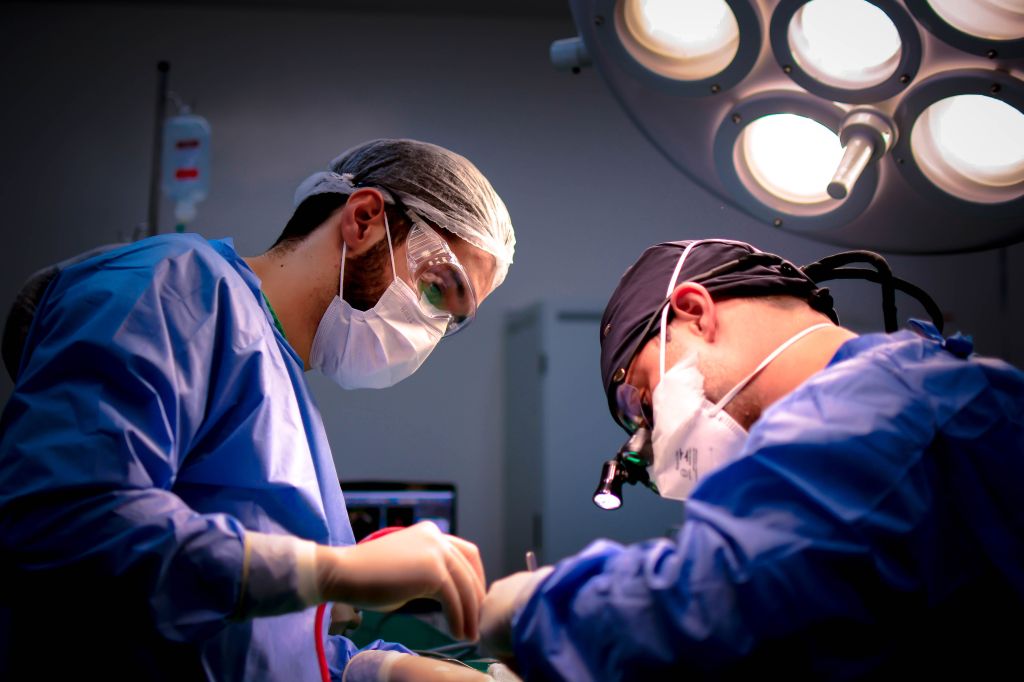
Dealing with persistent gastrointestinal trouble can derail a person’s entire routine and strip away daily comfort. When dietary shifts and medications no longer provide relief, medical professionals often look toward anatomical repairs. The thought of an operation on the digestive tract naturally causes anxiety for many individuals. Fortunately, modern advancements have made these targeted medical procedures highly controlled, precise, and effective at restoring a normal lifestyle.
Specialized medical professionals dedicate years to mastering the complex pathways of the human digestive system. These experts understand how a damaged large intestine affects the rest of the body. By applying precise surgical techniques, they can eliminate painful blockages and repair damaged tissues. This focused medical approach allows the entire digestive tract to heal properly and function smoothly once again.
Evaluating the Preoperative Assessment Process
Before anyone enters the operating room, a specialist thoroughly evaluates the digestive system using diagnostic imaging and internal cameras to map the exact location of the damage. This detailed preparation allows the medical team to design a safe approach tailored specifically to the unique anatomy and medical history of the individual. By resolving these physical puzzles in advance, the team minimizes unexpected complications during the procedure, protecting patient safety and paving the way for a smoother recovery.
Comparing Open and Minimally Invasive Approaches
Surgeons utilize different access methods depending on the severity and location of the intestinal issue. Traditional operations require a single larger opening to give the medical team a direct view of the organs. While this method is sometimes necessary for complex emergencies, it typically requires a longer stay in the hospital.
Modern advancements now allow many specialists to work through tiny entry points using specialized cameras. This less invasive approach causes significantly less disruption to the surrounding abdominal muscles. Patients undergoing these advanced procedures usually experience much less discomfort after the operation. A smaller entry site also reduces the risk of long term scarring and speeds up the return to normal activities.
Removing Damaged Tissue and Creating Connections
The core objective of the operation involves separating unhealthy tissue from the healthy sections of the intestine. Experts carefully isolate the section affected by inflammation or structural blockages. Once the problematic area is removed, the priority shifts to reestablishing a continuous pathway for digestion.
Connecting the remaining healthy edges requires incredible precision to ensure a tight seal. Surgeons sew or staple the ends together to form a secure boundary that prevents leaks.
A secure seal is vital because it allows nutrients and waste to move safely through the body without irritating other internal areas. This crucial step is exactly what allows the digestive tract to eventually resume its normal daily functions.
Managing the Postoperative Recovery Environment
Healing begins the moment the procedure concludes and the patient moves to a recovery room. The medical team closely monitors vital signs and digestive sounds to ensure the body is waking up properly. Managing discomfort early on helps individuals rest comfortably and begin moving around their rooms sooner.
Walking short distances shortly after the operation is highly encouraged by modern medical staff. Gentle movement stimulates the bowels and prevents blood clots from forming in the legs. The dietary team gradually introduces liquids before moving to solid foods to give the internal repairs time to adapt. This staged approach protects the new connections while slowly rebuilding physical strength.
Navigating the Long Term Healing Journey
Returning home marks a major milestone in the journey toward lasting digestive comfort. Patients receive specific instructions regarding lifting restrictions and wound care to protect the sensitive abdominal area. A temporary shift toward softer foods helps the healing tissues process waste smoothly without straining the fresh internal connections.
Having an experienced medical team makes a massive difference during this vital transition phase. For example, a dedicated colon surgery Dr. provides the necessary follow up appointments to track structural healing and answer ongoing lifestyle questions. Regular checkups ensure that any minor healing setbacks are addressed quickly before they can disrupt your overall progress.
Over time, the internal intestinal tissue fully matures and gains back its optimal physical strength. This gradual reinforcement allows individuals to eventually expand their diet and enjoy their favorite meals without fear of discomfort. Sticking to the guidance of your specialist during these final weeks ensures a safe return to everyday activities.
Conclusion
Repairing the large intestine requires a blend of advanced technology, careful planning, and expert execution. From the initial diagnostic mapping to the final follow up appointments, each step is designed to maximize patient safety and comfort. While the prospect of major medical intervention remains intimidating, the long term rewards of pain free digestion are undeniable. Trusting the guidance of seasoned medical professionals allows individuals to reclaim their health and live without the constant burden of digestive distress.

 Healora