Tag: mental-health

  • How Teeth Whitening Boosts Self-Confidence

    How Teeth Whitening Boosts Self-Confidence

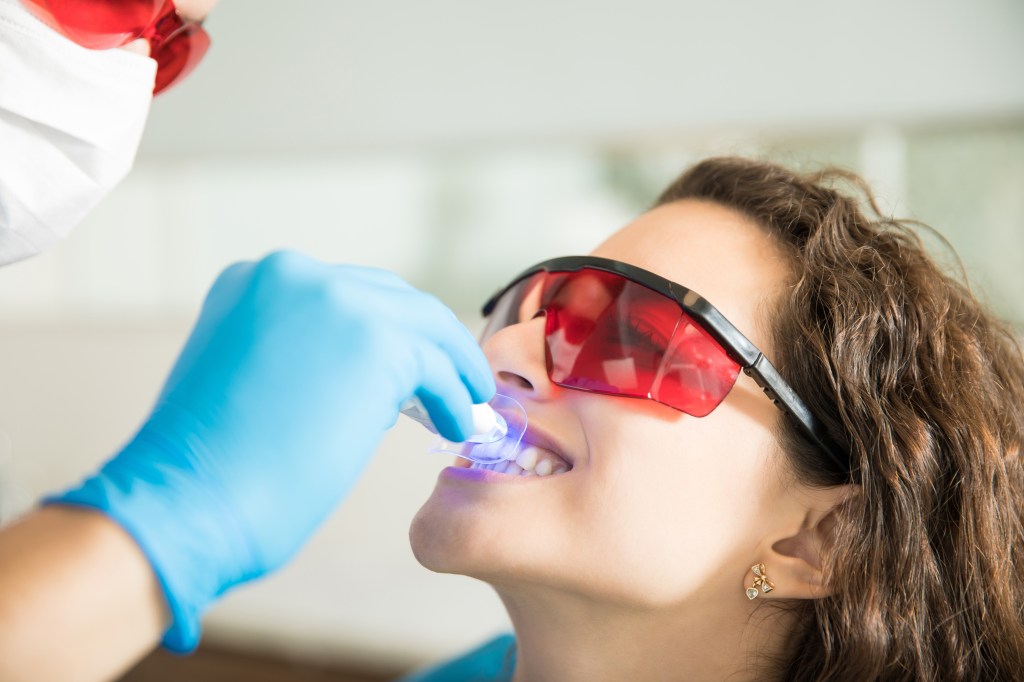
    A bright smile can make a lasting impression in both personal and professional situations. Over time, teeth may become stained from coffee, tea, wine, tobacco, or natural aging. These changes can affect how people feel about their appearance and may even cause them to hide their smiles during conversations or photos. Teeth whitening offers a simple and effective way to refresh a smile while improving overall confidence.

    Moreover, teeth whitening can help individuals feel more comfortable in social settings and daily interactions. A whiter smile often reflects healthy habits and self-care, making it easier for people to present themselves with confidence.

    Creating a More Positive First Impression

    Smiles are often one of the first things people notice during introductions. Bright, white teeth can create a cleaner and more polished appearance that leaves a positive impression on others. When people feel proud of their smiles, they are more likely to smile naturally and engage confidently in conversations.

    Professional settings can especially benefit from increased confidence. Job interviews, client meetings, and networking events often rely heavily on first impressions. Individuals who feel self-assured about their smiles may communicate more openly and appear more approachable. Teeth whitening, performed by dentists like those from Salina Dental Arts, can provide that extra boost of confidence that helps people feel comfortable in important moments.

    Encouraging More Frequent Smiling

    People who feel embarrassed about stained or discolored teeth may avoid smiling in public. They might cover their mouths while laughing or avoid taking photos altogether. Teeth whitening can help remove these insecurities by improving the appearance of the teeth and restoring confidence in one’s smile.

    Smiling more often can also enhance emotional well-being. Studies have shown that smiling can positively affect mood and social interactions. When individuals feel comfortable showing their teeth, they are more likely to express joy and connect with others naturally. This increase in comfort can strengthen relationships and encourage more positive daily experiences.

    Supporting Better Social Interactions

    Confidence plays a major role in social situations. People who feel good about their appearance often participate more actively in conversations and group activities. Teeth whitening can help reduce self-consciousness and allow individuals to focus more on enjoying interactions rather than worrying about their smiles.

    A brighter smile can also make someone appear friendlier and more approachable. In social gatherings, smiling openly can help build trust and create stronger connections with others. When people no longer feel the need to hide their teeth, they often experience greater comfort and ease in social environments.

    Improving Overall Self-Image

    Teeth whitening is not only about appearance but also about how individuals feel about themselves. Looking in the mirror and seeing a cleaner, brighter smile can contribute to a stronger sense of self-esteem. Small cosmetic improvements often have a meaningful impact on overall self-image and confidence levels.

    Many people view teeth whitening as part of a broader self-care routine. Just as maintaining healthy skin or grooming habits can improve confidence, whitening treatments can help individuals feel more polished and refreshed. Feeling satisfied with one’s appearance can influence daily attitudes, motivation, and personal outlook.

    Motivating Better Oral Care Habits

    After whitening their teeth, many individuals become more motivated to maintain their results through improved oral hygiene practices. Brushing, flossing, and regular dental visits often become higher priorities because people want to preserve their brighter smiles. This increased attention to oral health can lead to long-term benefits beyond appearance alone.

    Healthy habits can further enhance confidence by preventing future discoloration and maintaining a clean smile. Individuals may also reduce habits like smoking or excessive consumption of staining beverages to protect their whitening results. As oral health improves, confidence often continues to grow alongside it.

    Teeth whitening offers more than cosmetic improvement; it can positively affect self-confidence, social interactions, and overall self-image. A brighter smile often encourages people to smile more freely, communicate more confidently, and feel more comfortable in both personal and professional situations.

    By enhancing the appearance of the teeth and promoting better oral care habits, teeth whitening can have a lasting impact on daily life. For many individuals, achieving a whiter smile is a simple step that leads to greater confidence and a more positive outlook.
  • How Pediatric Therapy Supports Early Childhood Development

    How Pediatric Therapy Supports Early Childhood Development

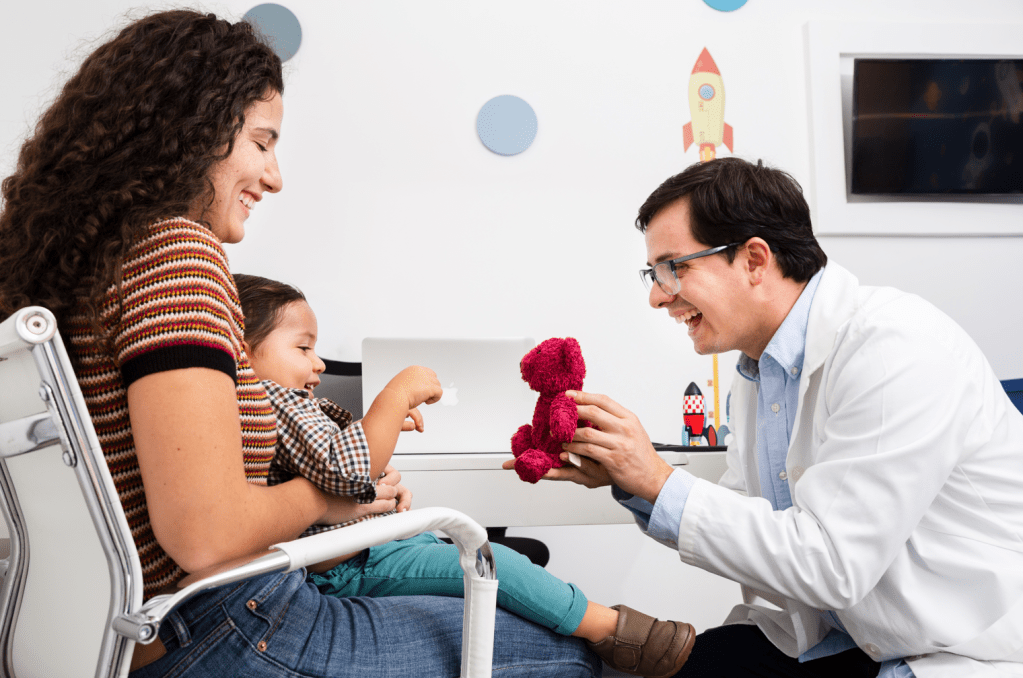
    Early childhood is a critical period of growth, discovery, and rapid development. During the first few years of life, children build the foundational skills they need for learning, communication, movement, and social interaction. While every child develops at their own pace, some may experience delays or challenges that require additional support. Pediatric therapy plays a vital role in helping children overcome these obstacles and reach important developmental milestones with confidence.

    Through personalized, evidence-based approaches, pediatric therapy supports children in building the physical, cognitive, emotional, and social skills necessary for long-term success. Whether addressing speech delays, motor coordination issues, sensory processing challenges, or behavioral concerns, early intervention can make a lasting difference.

    Enhancing Communication Skills Through Targeted Speech Therapy

    Communication is one of the most important developmental areas in early childhood. Pediatric speech therapy helps children improve their ability to express themselves and understand others. For children who struggle with speech delays, articulation difficulties, or language comprehension, early therapeutic intervention provides structured and engaging activities designed to strengthen these skills.

    Speech-language pathologists use play-based techniques, interactive exercises, and individualized treatment plans to encourage language development. By improving vocabulary, sentence formation, and listening skills, therapy helps children participate more fully in social and educational settings. Strong communication skills also support emotional regulation and self-confidence, allowing children to build meaningful relationships with peers and caregivers.

    Strengthening Motor Skills Through Physical Therapy

    Gross motor skills, such as crawling, walking, jumping, and balancing, are essential for independence and exploration. Pediatric physical therapy focuses on improving strength, coordination, flexibility, and balance in children who may have developmental delays, injuries, or medical conditions affecting movement.

    Therapists, such as those from Rise Pediatric Therapy, design age-appropriate activities that make physical development both fun and effective. Through guided exercises and therapeutic play, children build muscle tone and body awareness while gaining confidence in their abilities. Improved motor skills not only enhance physical health but also enable children to participate in everyday activities, from playground play to classroom tasks, with greater ease.

    Improving Fine Motor Abilities Through Occupational Therapy

    Fine motor skills are crucial for tasks such as holding a pencil, buttoning clothes, feeding independently, and manipulating small objects. Pediatric occupational therapy supports children who struggle with hand-eye coordination, grip strength, or sensory processing issues that affect daily functioning.

    Occupational therapists use hands-on activities tailored to each child’s needs to strengthen small muscle movements and improve coordination. These interventions often include sensory integration techniques that help children better process and respond to environmental stimuli. By refining fine motor abilities, therapy promotes greater independence and prepares children for academic success, particularly as they begin preschool and kindergarten.

    Supporting Social and Emotional Growth Through Developmental Interventions

    Healthy social and emotional development allows children to form relationships, manage emotions, and adapt to new environments. Pediatric therapy often includes strategies that help children develop appropriate social skills, emotional regulation, and positive behavior patterns.

    Therapists may work on turn-taking, eye contact, cooperative play, and coping strategies for frustration or anxiety. By creating a supportive and structured environment, therapy encourages children to practice these skills in meaningful ways. Early support in this area can reduce behavioral challenges and foster resilience, helping children navigate school and social situations more successfully.

    Promoting Cognitive Development Through Structured Play-Based Learning

    Cognitive development involves problem-solving, memory, attention, and the ability to understand cause and effect. Pediatric therapy incorporates play-based learning techniques that stimulate critical thinking and curiosity. Structured activities are carefully designed to challenge children at an appropriate developmental level while keeping them engaged.

    Through puzzles, storytelling, sequencing games, and interactive tasks, therapists help strengthen focus, comprehension, and reasoning skills. These cognitive improvements support academic readiness and encourage lifelong learning habits. When children receive early intervention for cognitive delays, they often demonstrate improved performance in school and greater confidence in tackling new challenges.

    Pediatric therapy is more than a treatment plan; it is a proactive investment in a child’s future. By addressing developmental concerns early and providing individualized support, therapy helps children build essential skills that set the stage for lifelong growth. When parents and professionals work together, children are given the opportunity to reach their fullest potential and confidently embrace each new stage of development.

  • When to Consider Switching to Online Counseling Sessions

    When to Consider Switching to Online Counseling Sessions

    Mental health care has evolved rapidly in recent years, and online counseling has become a trusted option for many people. With greater accessibility, flexibility, and privacy, virtual sessions are helping individuals receive the support they need without the barriers that often come with in-person visits.

    But when is the right time to consider making the switch? Let’s explore the situations where online counseling can be especially beneficial.

    When Busy Schedules Make In-Person Visits Difficult

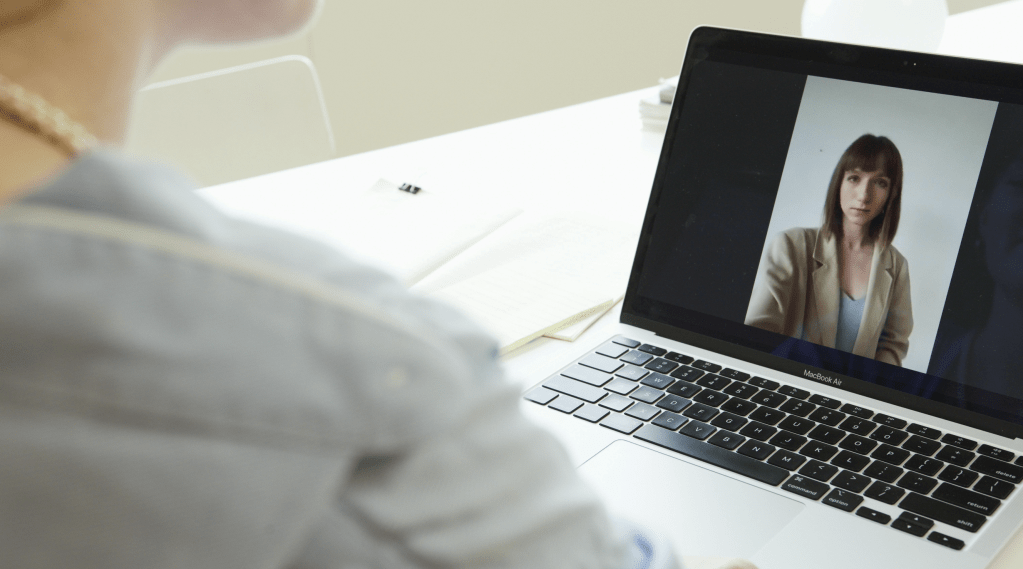
    Life can get hectic, and finding time to commute to a clinic may feel overwhelming. Online counseling sessions allow you to connect with a licensed professional from the comfort of your home, office, or even while traveling. This flexibility makes it easier to stay consistent with therapy, which is essential for progress.

    If your schedule is packed with work, family responsibilities, or school commitments, switching to online counseling can help you prioritize your mental health without sacrificing other important parts of your life.

    When Accessibility is a Challenge

    Not everyone lives near a counseling clinic, and for those in rural or underserved areas, access to mental health services can be limited. Online counseling bridges this gap by connecting clients with professionals regardless of location.

    This means you can choose from a wider range of specialists who fit your needs, rather than being restricted to the few available nearby. For individuals who face transportation challenges or mobility issues, online counseling can be a practical and empowering solution.

    When Privacy and Comfort are Priorities

    Some people hesitate to seek counseling because they worry about being seen entering a clinic or feel uncomfortable in unfamiliar settings. Online counseling sessions provide a private and secure environment where you can open up more freely.

    Being in a familiar space often helps reduce anxiety and makes it easier to focus on the conversation. If privacy and comfort are important to you, switching to online counseling may help you feel more at ease while receiving professional support.

    When Consistency Matters Most

    Therapy works best when sessions are regular and consistent. However, unexpected events like travel, illness, or weather disruptions can interfere with in-person appointments. Online counseling eliminates many of these barriers, ensuring that you can maintain steady progress.

    Clinics offering online counseling appointments, like Different Mental Health, make it easier to stay on track with your treatment plan, no matter what life throws your way. This reliability can be especially valuable for individuals managing long-term conditions such as anxiety or depression.

    When You Want More Options and Flexibility

    Online counseling often provides more choices in terms of scheduling, therapist availability, and session formats. Some clinics offer video calls, phone sessions, or even secure messaging options, giving you the flexibility to choose what works best for your lifestyle.

    This variety can make therapy feel more personalized and adaptable to your needs. If you’ve struggled to find a counselor who fits your schedule or communication style, exploring online options may open new doors.

    When You’re Ready to Take the First Step

    For many, the hardest part of seeking counseling is making that initial appointment. Online counseling can make this step less intimidating by removing logistical barriers and offering a more approachable entry point.

    Whether you’re dealing with stress, relationship challenges, or personal growth goals, starting with online sessions can help you ease into the process and build confidence in your journey toward better mental health.

    Conclusion

    Switching to online counseling sessions can be a powerful choice when convenience, accessibility, privacy, and consistency matter most. With clinics offering flexible options and supportive professionals, virtual therapy is helping more people take control of their mental well-being.

    If you’ve been considering counseling but feel held back by time, distance, or comfort concerns, online sessions may be the right step forward. Your mental health deserves attention, and online counseling makes it easier than ever to give it the care it needs.

Design a site like this with WordPress.com
Get started