Author: talktodonnajones

  • Important Dental Services and Procedures for a Healthy Smile

    Important Dental Services and Procedures for a Healthy Smile

    Maintaining a healthy smile involves more than brushing and flossing every day. Dental care includes a variety of services that help prevent problems and keep your mouth functioning properly. Understanding these treatments can help you make informed choices about your oral health. Some procedures are intended to maintain strong teeth and healthy gums, while others help rebuild your smile after decay, injury, or tooth loss.

    Knowing what these services involve can make it easier to stay on top of your dental care and enjoy a confident, healthy smile for years to come. Below are some of the most important procedures that support long-term oral health.

    Routine Check-Ups and Cleanings

    Routine dental check-ups and cleanings are one of the simplest ways to keep your smile looking and feeling its best. During these visits, your dentist carefully checks your teeth and gums for cavities and other concerns that may be starting to develop.

    In addition, professional cleanings remove plaque and tartar buildup that daily brushing and flossing can easily miss. Many practices, including Mill Creek Dental, encourage regular visits because they play an important role in long-term oral health. They also give you time to talk about your brushing habits and receive personalized tips for improving your routine.

    Most importantly, catching problems early can help you avoid more complex and costly treatments in the future. For many people, scheduling a check-up and cleaning every six months is a small commitment that makes a big difference in maintaining a healthy, confident smile.

    Fillings and Restorative Treatments

    Fillings and restorative treatments are designed to rebuild teeth that have been affected by decay, chips, or everyday wear, helping you maintain a healthy and comfortable smile. Tooth-colored composite fillings are a popular choice because they closely match the natural shade of your teeth, making repairs far less noticeable.

    For teeth with more extensive damage, a crown can provide the added strength and protection needed for daily use. At the same time, these treatments help keep small problems from progressing into more serious issues. As a result, eating and smiling can feel much more natural and enjoyable. They may also refresh the appearance of teeth that have become worn, uneven, or misshapen over the years, giving your smile a renewed look and feel.

    Dental Implants

    Dental implants are a reliable option for replacing missing teeth and restoring oral function. The procedure involves placing a titanium post into the jawbone, where it serves as an artificial tooth root. As the area heals, the post bonds with the bone to create a stable foundation for the replacement tooth. Once healing is complete, a custom crown is attached to provide a natural-looking result.

    Full tooth replacement is often suggested by many dental providers, including Ocala Dental Care, because implants are designed to remain securely in place and can help support long-term oral health. Moreover, dental implants may help preserve jawbone density and reduce the likelihood of neighboring teeth shifting out of position. Many patients also appreciate that implants look and function similarly to natural teeth, allowing them to eat and speak with greater comfort.

    Dental Bonding

    Dental bonding is a simple and effective procedure used to repair minor tooth imperfections. It involves applying a tooth-colored resin material to areas affected by chips, cracks, or small gaps. The dentist shapes and polishes the material so it blends naturally with the surrounding teeth. This procedure is often completed in a single visit, making it a convenient option for patients.

    Dental bonding can also be used to improve the appearance of discolored or uneven teeth. It is a conservative treatment because it requires minimal removal of the natural tooth structure. With proper care, bonded teeth can last for several years before needing touch-ups or replacement.

    Root Canal Therapy

    Root canal therapy is designed to save teeth that have become infected or severely inflamed. This typically occurs when the inner pulp is damaged due to deep decay, repeated dental procedures, or trauma, allowing bacteria to spread and cause pain, swelling, or sensitivity. During the procedure, the infected tooth is removed, and the root canals are carefully sealed to prevent further infection and restore stability.

    Modern root canal treatment is typically comfortable and efficient, thanks to advanced techniques and effective local anesthesia. Most patients experience significant relief once the source of infection is treated. Preserving the natural tooth also helps maintain proper bite alignment and overall oral health, while preventing surrounding teeth from shifting.

    Final Thoughts

    Maintaining a healthy smile involves a balance of preventive care and timely treatment when dental concerns arise. Understanding what these treatments involve can also help patients feel more informed and confident when making decisions about their care.

    Alongside professional care, consistent oral hygiene habits at home remain essential for keeping teeth and gums healthy between appointments. By taking a proactive approach to dental care, individuals can better support both the function and appearance of their smiles. Investing in oral health today can lead to improved comfort and overall well-being in the years to come.

  • How Teeth Whitening Boosts Self-Confidence

    How Teeth Whitening Boosts Self-Confidence

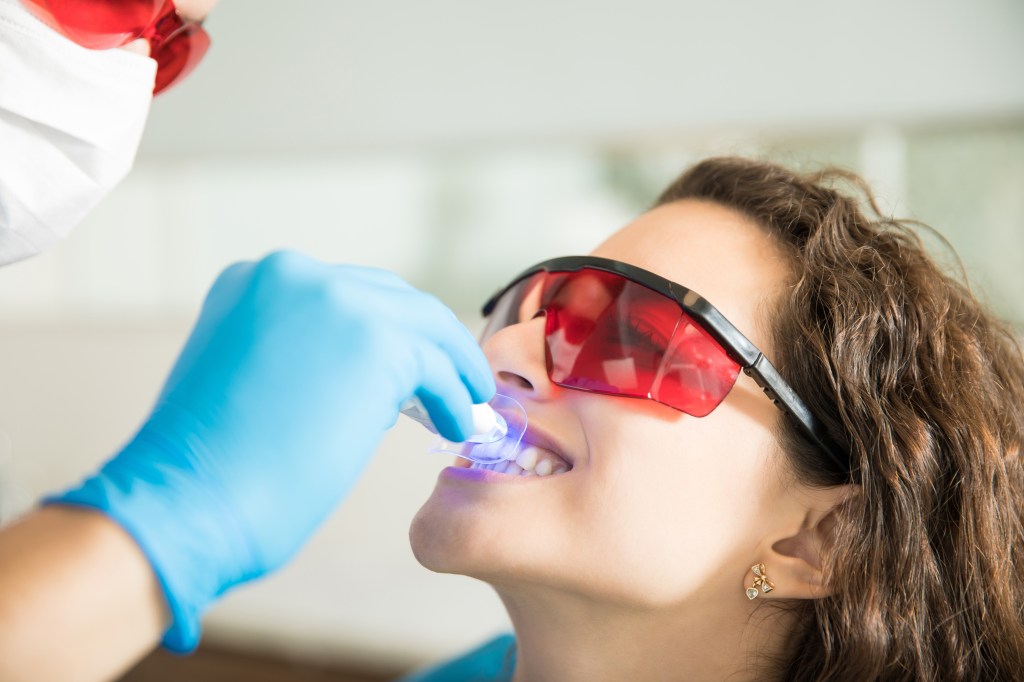
    A bright smile can make a lasting impression in both personal and professional situations. Over time, teeth may become stained from coffee, tea, wine, tobacco, or natural aging. These changes can affect how people feel about their appearance and may even cause them to hide their smiles during conversations or photos. Teeth whitening offers a simple and effective way to refresh a smile while improving overall confidence.

    Moreover, teeth whitening can help individuals feel more comfortable in social settings and daily interactions. A whiter smile often reflects healthy habits and self-care, making it easier for people to present themselves with confidence.

    Creating a More Positive First Impression

    Smiles are often one of the first things people notice during introductions. Bright, white teeth can create a cleaner and more polished appearance that leaves a positive impression on others. When people feel proud of their smiles, they are more likely to smile naturally and engage confidently in conversations.

    Professional settings can especially benefit from increased confidence. Job interviews, client meetings, and networking events often rely heavily on first impressions. Individuals who feel self-assured about their smiles may communicate more openly and appear more approachable. Teeth whitening, performed by dentists like those from Salina Dental Arts, can provide that extra boost of confidence that helps people feel comfortable in important moments.

    Encouraging More Frequent Smiling

    People who feel embarrassed about stained or discolored teeth may avoid smiling in public. They might cover their mouths while laughing or avoid taking photos altogether. Teeth whitening can help remove these insecurities by improving the appearance of the teeth and restoring confidence in one’s smile.

    Smiling more often can also enhance emotional well-being. Studies have shown that smiling can positively affect mood and social interactions. When individuals feel comfortable showing their teeth, they are more likely to express joy and connect with others naturally. This increase in comfort can strengthen relationships and encourage more positive daily experiences.

    Supporting Better Social Interactions

    Confidence plays a major role in social situations. People who feel good about their appearance often participate more actively in conversations and group activities. Teeth whitening can help reduce self-consciousness and allow individuals to focus more on enjoying interactions rather than worrying about their smiles.

    A brighter smile can also make someone appear friendlier and more approachable. In social gatherings, smiling openly can help build trust and create stronger connections with others. When people no longer feel the need to hide their teeth, they often experience greater comfort and ease in social environments.

    Improving Overall Self-Image

    Teeth whitening is not only about appearance but also about how individuals feel about themselves. Looking in the mirror and seeing a cleaner, brighter smile can contribute to a stronger sense of self-esteem. Small cosmetic improvements often have a meaningful impact on overall self-image and confidence levels.

    Many people view teeth whitening as part of a broader self-care routine. Just as maintaining healthy skin or grooming habits can improve confidence, whitening treatments can help individuals feel more polished and refreshed. Feeling satisfied with one’s appearance can influence daily attitudes, motivation, and personal outlook.

    Motivating Better Oral Care Habits

    After whitening their teeth, many individuals become more motivated to maintain their results through improved oral hygiene practices. Brushing, flossing, and regular dental visits often become higher priorities because people want to preserve their brighter smiles. This increased attention to oral health can lead to long-term benefits beyond appearance alone.

    Healthy habits can further enhance confidence by preventing future discoloration and maintaining a clean smile. Individuals may also reduce habits like smoking or excessive consumption of staining beverages to protect their whitening results. As oral health improves, confidence often continues to grow alongside it.

    Teeth whitening offers more than cosmetic improvement; it can positively affect self-confidence, social interactions, and overall self-image. A brighter smile often encourages people to smile more freely, communicate more confidently, and feel more comfortable in both personal and professional situations.

    By enhancing the appearance of the teeth and promoting better oral care habits, teeth whitening can have a lasting impact on daily life. For many individuals, achieving a whiter smile is a simple step that leads to greater confidence and a more positive outlook.

  • Pain Management Clinic Treatments Explained

    Pain Management Clinic Treatments Explained

    Living with persistent pain can affect every aspect of daily life—from mobility and sleep quality to mood and productivity. At Florida Medical Pain Management, patients receive a structured, evidence-based approach designed to identify the source of pain and provide targeted relief. A trusted Pain Management Clinic focuses not just on masking symptoms but on improving long-term function and quality of life.

    A modern Pain Management Clinic typically begins with a comprehensive evaluation. Physicians review medical history, imaging results, and lifestyle factors to understand the root cause of pain. Conditions such as arthritis, herniated discs, nerve damage, fibromyalgia, and post-injury complications are commonly assessed. This diagnostic stage is essential in building a personalized treatment plan rather than relying on one-size-fits-all solutions.

    One of the most common treatment options includes medication management. This may involve anti-inflammatory drugs, muscle relaxants, or nerve pain medications tailored to the patient’s condition. However, reputable clinics like Florida Medical Pain Management prioritize minimizing long-term medication dependency by combining pharmacological care with interventional techniques.

    Interventional procedures are another cornerstone of care. These may include epidural steroid injections, nerve blocks, joint injections, and radiofrequency ablation. Such treatments are designed to directly target pain-generating nerves or inflamed areas, often providing longer-lasting relief compared to oral medications alone. For many patients, these minimally invasive procedures significantly improve mobility and daily comfort.

    Physical therapy and rehabilitation are also integral parts of a Pain Management Clinic program. Guided exercises help strengthen muscles, improve posture, and restore flexibility. This approach is especially beneficial for patients recovering from injuries or surgery, as it reduces the risk of re-injury while promoting gradual, sustained recovery.

    In addition, many clinics incorporate regenerative medicine techniques such as platelet-rich plasma (PRP) therapy. These advanced treatments aim to stimulate the body’s natural healing processes, offering promising results for joint and soft tissue injuries.

    Beyond physical treatment, a holistic Pain Management Clinic may also address emotional and psychological aspects of chronic pain. Stress, anxiety, and depression often intensify physical discomfort, so integrated care models may include counseling or behavioral therapy.

    Ultimately, pain management is not a single procedure but a coordinated strategy. By combining diagnostics, medical treatment, rehabilitation, and patient education, Florida Medical Pain Management helps individuals regain control over their lives. If you are struggling with ongoing discomfort, consulting a specialized Pain Management Clinic can be the first step toward lasting relief and improved well-being.

    This article was written by a medical professional at Florida Medical Pain Management. Florida Medical Pain Management is proud to offer St Pete Pain Management to a diverse group of patients. Patients at Florida Medical Pain Management can get help managing hip, knee, leg, and neck pain. The practice also offers comprehensive arthritis management, along with treatments for auto accidents, sports, and work injuries.

  • What to Expect From Head Spa Services in San Diego

    What to Expect From Head Spa Services in San Diego

    If you’re curious about Head Spa Services San Diego, you’re probably wondering what actually happens during a session and if it’s worth trying. The short answer? It’s one of the most relaxing and beneficial treatments you can experience for both your scalp and your overall well-being.

    At Unplugged Head Spa in San Diego, CA, head spa services are designed to go beyond basic hair care. They focus on restoring balance to your scalp while helping you fully unwind.

    Key Takeaways

    • Head spa services deeply cleanse and refresh the scalp
    • Treatments combine massage, steam, and aromatherapy
    • Sessions are customized based on your scalp needs
    • Helps reduce buildup, dryness, and irritation
    • Promotes relaxation and mental clarity

    Your Experience Step by Step

    When you arrive for Head Spa Services San Diego, your session begins with a personalized consultation. This helps your therapist understand your scalp condition, lifestyle, and any concerns like dryness or oil buildup.

    Next comes a gentle scalp analysis, followed by exfoliation to remove impurities. This step is key because leftover buildup can block hair follicles and affect hair health.

    After cleansing, you’ll experience a soothing scalp and neck massage. This part is where most people completely relax. The steady, gentle pressure helps improve circulation and release built-up tension.

    The Role of Aromatherapy and Steam

    A major highlight of Head Spa Services San Diego is the use of aromatherapy and steam. Warm steam opens up the pores on your scalp, allowing treatments to absorb more effectively.

    At the same time, calming scents help quiet your mind. You might not expect it, but this combination can make a big difference in how refreshed you feel afterward.

    Who Should Try Head Spa Services?

    Honestly, almost anyone can benefit. If you deal with an itchy scalp, dryness, or even stress headaches, this treatment can help. It’s also a great option if you simply want to take a break from a busy routine.

    For men, adding this service alongside a haircut offers a more complete grooming experience. It’s not just about looking good—it’s about feeling better too.

    Why Clients in San Diego Keep Coming Back

    Clients who try Head Spa Services San Diego often return because of how noticeable the results feel. Your scalp feels cleaner, your hair feels lighter, and your mind feels clearer.

    At Unplugged Head Spa, the experience is designed to help you slow down and reset. Sometimes, that’s exactly what you need.

    Frequently Asked Questions

    How long does a head spa session take?

    Sessions typically range from 40 to 75 minutes, depending on the service you choose.

    Is a head spa treatment safe for all hair types?

    Yes, treatments are customized to suit different hair and scalp conditions.

    Will my hair be styled after the session?

    Blow-dry styling can be added to complete your experience.

    Can head spa services reduce scalp irritation?

    Yes, they help soothe irritation by cleansing and hydrating the scalp.

    Is it okay to get a head spa before a haircut?

    Absolutely, it can enhance the overall grooming results.

    This post was written by a professional at Unplugged Headspa. Unplugged is your destination for authentic Japanese head spa experiences and expert hair services. We specialize in scalp massage, hair detox, and relaxation rituals rooted in traditional Japanese healing practices. Alongside our signature head spa, we offer professional men’s and women’s haircuts, precision styling, and hair maintenance services. Our team focuses on personalized care, premium products, and a soothing environment that promotes scalp health, stress relief, and refreshed, healthy hair. Whether you need a calming escape or a fresh new cut, Unplugged is the place to disconnect and recharge. Click here to learn more today!

  • How Pediatric Therapy Supports Early Childhood Development

    How Pediatric Therapy Supports Early Childhood Development

    Early childhood is a critical period of growth, discovery, and rapid development. During the first few years of life, children build the foundational skills they need for learning, communication, movement, and social interaction. While every child develops at their own pace, some may experience delays or challenges that require additional support. Pediatric therapy plays a vital role in helping children overcome these obstacles and reach important developmental milestones with confidence.

    Through personalized, evidence-based approaches, pediatric therapy supports children in building the physical, cognitive, emotional, and social skills necessary for long-term success. Whether addressing speech delays, motor coordination issues, sensory processing challenges, or behavioral concerns, early intervention can make a lasting difference.

    Enhancing Communication Skills Through Targeted Speech Therapy

    Communication is one of the most important developmental areas in early childhood. Pediatric speech therapy helps children improve their ability to express themselves and understand others. For children who struggle with speech delays, articulation difficulties, or language comprehension, early therapeutic intervention provides structured and engaging activities designed to strengthen these skills.

    Speech-language pathologists use play-based techniques, interactive exercises, and individualized treatment plans to encourage language development. By improving vocabulary, sentence formation, and listening skills, therapy helps children participate more fully in social and educational settings. Strong communication skills also support emotional regulation and self-confidence, allowing children to build meaningful relationships with peers and caregivers.

    Strengthening Motor Skills Through Physical Therapy

    Gross motor skills, such as crawling, walking, jumping, and balancing, are essential for independence and exploration. Pediatric physical therapy focuses on improving strength, coordination, flexibility, and balance in children who may have developmental delays, injuries, or medical conditions affecting movement.

    Therapists, such as those from Rise Pediatric Therapy, design age-appropriate activities that make physical development both fun and effective. Through guided exercises and therapeutic play, children build muscle tone and body awareness while gaining confidence in their abilities. Improved motor skills not only enhance physical health but also enable children to participate in everyday activities, from playground play to classroom tasks, with greater ease.

    Improving Fine Motor Abilities Through Occupational Therapy

    Fine motor skills are crucial for tasks such as holding a pencil, buttoning clothes, feeding independently, and manipulating small objects. Pediatric occupational therapy supports children who struggle with hand-eye coordination, grip strength, or sensory processing issues that affect daily functioning.

    Occupational therapists use hands-on activities tailored to each child’s needs to strengthen small muscle movements and improve coordination. These interventions often include sensory integration techniques that help children better process and respond to environmental stimuli. By refining fine motor abilities, therapy promotes greater independence and prepares children for academic success, particularly as they begin preschool and kindergarten.

    Supporting Social and Emotional Growth Through Developmental Interventions

    Healthy social and emotional development allows children to form relationships, manage emotions, and adapt to new environments. Pediatric therapy often includes strategies that help children develop appropriate social skills, emotional regulation, and positive behavior patterns.

    Therapists may work on turn-taking, eye contact, cooperative play, and coping strategies for frustration or anxiety. By creating a supportive and structured environment, therapy encourages children to practice these skills in meaningful ways. Early support in this area can reduce behavioral challenges and foster resilience, helping children navigate school and social situations more successfully.

    Promoting Cognitive Development Through Structured Play-Based Learning

    Cognitive development involves problem-solving, memory, attention, and the ability to understand cause and effect. Pediatric therapy incorporates play-based learning techniques that stimulate critical thinking and curiosity. Structured activities are carefully designed to challenge children at an appropriate developmental level while keeping them engaged.

    Through puzzles, storytelling, sequencing games, and interactive tasks, therapists help strengthen focus, comprehension, and reasoning skills. These cognitive improvements support academic readiness and encourage lifelong learning habits. When children receive early intervention for cognitive delays, they often demonstrate improved performance in school and greater confidence in tackling new challenges.

    Pediatric therapy is more than a treatment plan; it is a proactive investment in a child’s future. By addressing developmental concerns early and providing individualized support, therapy helps children build essential skills that set the stage for lifelong growth. When parents and professionals work together, children are given the opportunity to reach their fullest potential and confidently embrace each new stage of development.

  • When to Consider Switching to Online Counseling Sessions

    When to Consider Switching to Online Counseling Sessions

    Mental health care has evolved rapidly in recent years, and online counseling has become a trusted option for many people. With greater accessibility, flexibility, and privacy, virtual sessions are helping individuals receive the support they need without the barriers that often come with in-person visits.

    But when is the right time to consider making the switch? Let’s explore the situations where online counseling can be especially beneficial.

    When Busy Schedules Make In-Person Visits Difficult

    Life can get hectic, and finding time to commute to a clinic may feel overwhelming. Online counseling sessions allow you to connect with a licensed professional from the comfort of your home, office, or even while traveling. This flexibility makes it easier to stay consistent with therapy, which is essential for progress.

    If your schedule is packed with work, family responsibilities, or school commitments, switching to online counseling can help you prioritize your mental health without sacrificing other important parts of your life.

    When Accessibility is a Challenge

    Not everyone lives near a counseling clinic, and for those in rural or underserved areas, access to mental health services can be limited. Online counseling bridges this gap by connecting clients with professionals regardless of location.

    This means you can choose from a wider range of specialists who fit your needs, rather than being restricted to the few available nearby. For individuals who face transportation challenges or mobility issues, online counseling can be a practical and empowering solution.

    When Privacy and Comfort are Priorities

    Some people hesitate to seek counseling because they worry about being seen entering a clinic or feel uncomfortable in unfamiliar settings. Online counseling sessions provide a private and secure environment where you can open up more freely.

    Being in a familiar space often helps reduce anxiety and makes it easier to focus on the conversation. If privacy and comfort are important to you, switching to online counseling may help you feel more at ease while receiving professional support.

    When Consistency Matters Most

    Therapy works best when sessions are regular and consistent. However, unexpected events like travel, illness, or weather disruptions can interfere with in-person appointments. Online counseling eliminates many of these barriers, ensuring that you can maintain steady progress.

    Clinics offering online counseling appointments, like Different Mental Health, make it easier to stay on track with your treatment plan, no matter what life throws your way. This reliability can be especially valuable for individuals managing long-term conditions such as anxiety or depression.

    When You Want More Options and Flexibility

    Online counseling often provides more choices in terms of scheduling, therapist availability, and session formats. Some clinics offer video calls, phone sessions, or even secure messaging options, giving you the flexibility to choose what works best for your lifestyle.

    This variety can make therapy feel more personalized and adaptable to your needs. If you’ve struggled to find a counselor who fits your schedule or communication style, exploring online options may open new doors.

    When You’re Ready to Take the First Step

    For many, the hardest part of seeking counseling is making that initial appointment. Online counseling can make this step less intimidating by removing logistical barriers and offering a more approachable entry point.

    Whether you’re dealing with stress, relationship challenges, or personal growth goals, starting with online sessions can help you ease into the process and build confidence in your journey toward better mental health.

    Conclusion

    Switching to online counseling sessions can be a powerful choice when convenience, accessibility, privacy, and consistency matter most. With clinics offering flexible options and supportive professionals, virtual therapy is helping more people take control of their mental well-being.

    If you’ve been considering counseling but feel held back by time, distance, or comfort concerns, online sessions may be the right step forward. Your mental health deserves attention, and online counseling makes it easier than ever to give it the care it needs.

  • How Chiropractic Treatment Supports Injury Recovery for CDL Holders

    How Chiropractic Treatment Supports Injury Recovery for CDL Holders

    Commercial drivers face unique physical demands every day. Long hours behind the wheel, repetitive movements, and heavy lifting can take a toll on the body. When injuries occur, recovery is not only about feeling better but also about meeting the strict requirements of maintaining a Commercial Driver’s License (CDL).

    In this article, we’ll discuss how chiropractic care offers a safe and effective way to support recovery, improve mobility, and help drivers return to work with confidence.

    Addressing the Physical Strain of Commercial Driving

    Driving for extended periods places stress on the spine, shoulders, and hips. CDL holders often deal with back pain, neck stiffness, and joint discomfort from sitting in one position for hours. These issues can worsen after an injury, making daily tasks more difficult.

    Chiropractic treatment focuses on restoring proper alignment and reducing inflammation. By improving spinal health, drivers experience less pain and greater flexibility. This helps them handle long routes more comfortably and reduces the risk of recurring injuries.

    Supporting Recovery After Work-Related Injuries

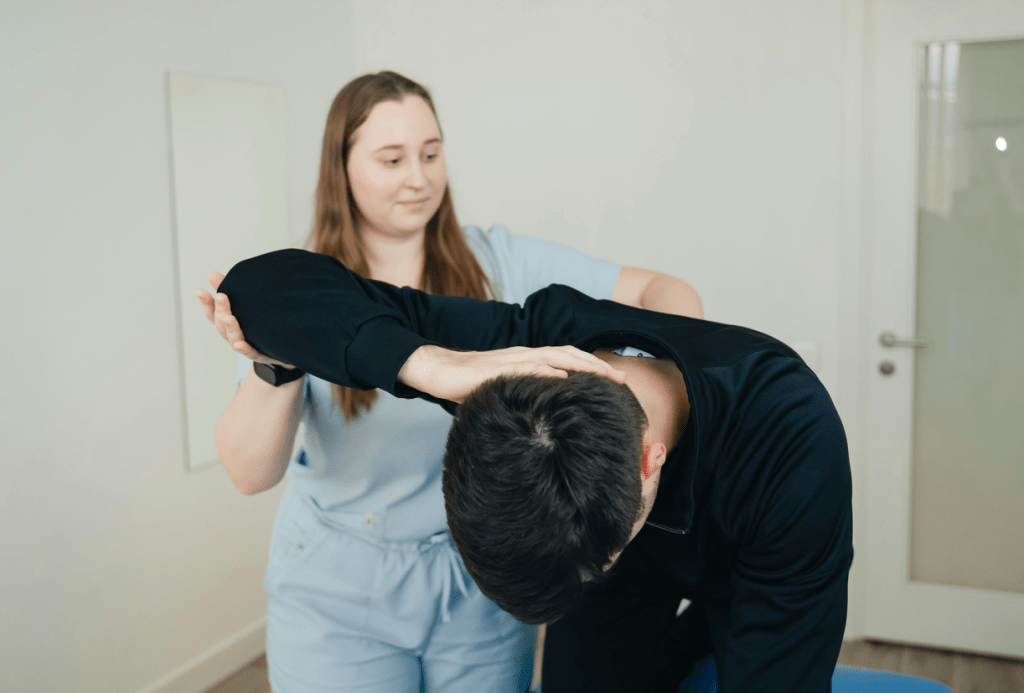
    Commercial drivers are at risk of strains, sprains, and repetitive stress injuries. Lifting cargo, climbing in and out of trucks, and handling equipment can lead to musculoskeletal problems. Chiropractic care provides targeted adjustments that promote healing in injured tissues.

    Techniques such as spinal manipulation, soft tissue therapy, and rehabilitative exercises help restore strength and mobility. Unlike medications that only mask pain, chiropractic treatment addresses the root cause of discomfort. This approach shortens recovery time and allows drivers to return to work safely.

    Enhancing Mobility and Preventing Re-Injury

    One of the biggest challenges for CDL holders after an injury is regaining full mobility. Limited movement can affect driving performance and increase the risk of accidents. Chiropractic care improves joint function and muscle balance, making movements smoother and less painful.

    Regular adjustments also help prevent re-injury by keeping the body aligned and resilient. For drivers, this means fewer setbacks and more confidence in their ability to perform physically demanding tasks.

    Meeting DOT Health Requirements with Chiropractic Care

    Maintaining a CDL is more than just holding a license—it requires drivers to meet strict health standards set by the Department of Transportation. Every CDL holder must pass a DOT-certified physical exam, which evaluates vision, hearing, blood pressure, and overall physical ability. This exam ensures that drivers are capable of safely operating large vehicles and handling the physical demands of the job.

    For drivers recovering from injuries, passing the exam can feel like an added challenge. Pain, stiffness, or reduced mobility may interfere with their ability to meet these requirements. Chiropractic care plays a valuable role in helping drivers prepare for and succeed in these exams. By addressing musculoskeletal issues, chiropractors reduce pain and restore proper alignment, which improves posture and movement.

    Improving Overall Wellness for Long-Term Driving Careers

    Recovering from an injury is only the beginning of a driver’s health journey. For CDL holders, maintaining long-term wellness is just as important as short-term recovery. The lifestyle of a commercial driver often involves extended hours of sitting, irregular sleep schedules, and limited opportunities for exercise. Over time, these factors can contribute to chronic pain, fatigue, and reduced alertness.

    Chiropractic care offers a holistic approach to wellness that goes beyond injury treatment. Regular chiropractic adjustments help reduce stress on the spine and improve circulation, which supports better energy levels and overall health. Drivers often report improved sleep quality after consistent care, which is critical for staying alert and focused on the road.

    Conclusion

    For CDL holders, injury recovery is about more than just healing—it’s about staying fit for the road and meeting professional requirements. Chiropractic treatment offers a natural, effective way to reduce pain, restore mobility, and support long-term wellness.

    By addressing the physical challenges of commercial driving and helping drivers meet DOT standards, chiropractic care plays a vital role in keeping America’s commercial drivers healthy and moving forward.

  • How CBCT Imaging Enhances Upper Cervical Precision

    How CBCT Imaging Enhances Upper Cervical Precision

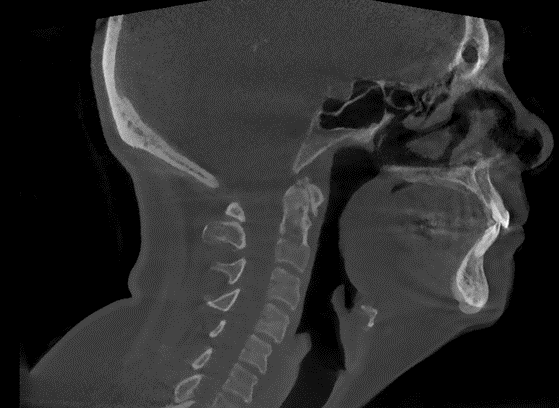
    If you’ve ever had neck pain, migraines, or unexplained neurological symptoms, you know how frustrating it can be to chase relief without clear answers. That’s why at Neuroplasticity St Pete, we take a deeper look—literally. We often use Cone Beam Computed Tomography (CBCT) because CBCT imaging enhances upper cervical precision in ways traditional X-rays simply can’t.

    The upper cervical spine, especially the atlas (C1) and axis (C2), sits just beneath the brainstem. It’s a highly sensitive and mobile area, where even the smallest misalignment can affect the nervous system. That’s why accuracy matters so much. With CBCT, we can see the neck and skull in 3D, allowing our doctors to measure the exact angle and position of these bones.

    So, how CBCT imaging enhances upper cervical precision comes down to this: clarity. Regular X-rays offer a flat, two-dimensional view that can hide subtle but clinically significant issues. CBCT, on the other hand, gives us detailed cross-sections from multiple angles—helping us find exactly where the problem is and how best to correct it.

    At Neuro St Pete, this technology helps us design more accurate and gentle adjustments. No guessing. No cracking. Just precise corrections that are custom-tailored to your anatomy. And when the correction is right, it holds longer, giving your body time to heal without repeated interventions.

    Patients from St Petersburg, Gulfport, and Clearwater often tell us they’re relieved to finally have clear imaging that explains their symptoms. It’s not uncommon for someone to walk in with years of misdiagnosed pain, only to find that a small misalignment near the brainstem was the missing link. That’s how CBCT imaging enhances upper cervical precision—by bringing invisible issues into focus.

    If you’ve tried everything and still don’t feel right, it might be time to look closer. Call (727) 202-6006 to schedule an initial exam and CBCT scan at Neuroplasticity St Pete. We’ll show you how CBCT imaging enhances upper cervical precision and how the right diagnosis can finally lead to the right solution.

    This post was written by a professional at Neuroplasticity St Pete. At Neuroplasticity St Pete, we specialize in functional medicine, combining acupuncture and chiropractic care to help you achieve optimal health. As a leading acupuncture St Pete FL, we begin with an in-depth intake, assessing your body, brain, pain, and goals to create a tailored plan. We utilize cutting-edge Upper Cervical Adjustments, Functional Neurology, and Chiropractic techniques to activate your brain’s healing potential. Unlike traditional medicine, we address root causes, not just symptoms. Our patient-centered, results-driven model empowers you to choose the best path for your wellness journey. Experience the future of healthcare—holistic, personalized, and transformative.

  • Debunking Common Myths About CBD

    CBD (cannabidiol) has become a wellness staple, offering benefits for stress relief, sleep, pain management, and overall well-being. However, despite its growing popularity, many misconceptions still surround CBD. Let’s separate fact from fiction by debunking some of the most common myths about CBD.

    Myth #1: CBD Gets You High

    Truth: CBD is non-psychoactive, meaning it won’t cause a “high” like THC. While both compounds come from cannabis, CBD interacts with the body differently, promoting relaxation and balance without intoxication.

    Myth #2: CBD Is the Same as Marijuana

    Truth: CBD can be derived from both hemp and marijuana, but hemp-derived CBD contains less than 0.3% THC, making it legal in most places. Unlike marijuana, hemp-based CBD products do not have mind-altering effects.

    Myth #3: More CBD Means Better Results

    Truth: Higher doses don’t always lead to better effects. CBD has an optimal dosage range, and too much may actually reduce its effectiveness. It’s best to start with a low dose and adjust based on how your body responds.

    Myth #4: CBD Works Instantly for Everyone

    Truth: While some people feel immediate relief, CBD’s effects vary based on factors like metabolism, body chemistry, and method of consumption. Oils and vapes work faster, while gummies and capsules take longer to absorb.

    Myth #5: CBD Is Only for People with Health Issues

    Truth: While CBD is used for conditions like anxiety, chronic pain, and sleep disorders, it’s also beneficial for general wellness. Many people use CBD as part of their daily self-care routine to support relaxation, focus, and overall balance.

    Myth #6: CBD Is Addictive

    Truth: According to the World Health Organization (WHO), CBD is non-addictive and safe for regular use. Unlike opioids or THC, it does not create dependence or withdrawal symptoms.

    Myth #7: All CBD Products Are the Same

    Truth: The quality of CBD products varies widely. Always choose third-party tested, organic, and full-spectrum or broad-spectrum CBD to ensure purity and effectiveness.

    Final Thoughts

    Misinformation about CBD can keep people from experiencing its benefits. By understanding the facts, you can make informed decisions about incorporating CBD into your wellness routine. As always, choose high-quality products and consult a professional if needed.

    This article was written by a CBD Specialist at Uplift CBD. At Uplift CBD, we strive to provide our customers with the highest level of satisfaction by providing the best quality products.

    We source our naturally occurring cannabinoids from only premium USA hemp farms. Our THCA flower pound is hand-made and carefully formulated to promote a legal, safe alternative to Delta 9 marijuana. They are grown and extracted in the USA. Because our CBD products are 100% natural and derived from the Non-GMO industrial hemp plant, they are legal for sale across all 50 states of the USA. Independently lab tested for purity and concentration; no other company has the quality and quantity of natural cannabinoids in our products for the same value! Shop our products today!

  • THCA vs CBD: Which Should You Choose?

    If you’ve been looking into plant-based wellness, chances are you’ve come across THCA and CBD and wondered what sets them apart. Both are non-psychoactive (at least in their raw forms), both come from cannabis, and both have growing followings. So, how do you choose the right one for you?

    Let’s break it down in a way that makes sense—no jargon, no hype, just clear info.

    The Basics: THCA and CBD Defined

    THCA (tetrahydrocannabinolic acid) is the raw, unheated form of THC. It doesn’t get you high, but it may offer anti-inflammatory, anti-nausea, and neuroprotective effects. It’s found in raw cannabis and is often used by those looking to manage pain or inflammation without any mental fog.

    CBD (cannabidiol), on the other hand, is a fully active compound that’s known for its calming properties. It’s widely used to help with anxiety, sleep, and general stress relief. Unlike THCA, CBD doesn’t convert into something psychoactive, even when heated.

    So Which One Is Better for Wellness?

    Here’s the real answer: it depends on what you’re dealing with. If your main focus is on inflammation, chronic pain, or even muscle spasms, THCA might be your go-to. Especially if you’re using it raw (like in capsules or tinctures), you get potential therapeutic benefits without any high.

    If you’re more concerned about anxiety, mood, or sleep, CBD might fit better. It’s generally easier to find in mainstream wellness products and has more scientific backing when it comes to stress-related issues.

    That said, many people combine both for a fuller, more balanced experience—and that’s something we encourage at Utoya.

    Utoya’s Perspective on THCA vs CBD

    At Utoya, we don’t believe in one-size-fits-all wellness. That’s why we offer both THCA and CBD products, so you can tailor your experience to your specific needs. Our THCA products are crafted from high-quality hemp, lab-tested for purity, and perfect for users who want natural relief without the high. Same goes for our CBD—clean, reliable, and ready when you are.

    Still Unsure Which Is Right for You?

    Give us a call at 813-697-4747 or browse our online store to explore your options. Whether it’s THCA, CBD, or both, Utoya has what you need to feel better, your way.

    This post was written by a professional at Utoya Organics. Utoya Organics is a producer, developer and manufacturer of hemp-derived products. Buy Delta 8 THC, Delta 9 THC, THCP, HHC, THC-O, CBD, CBG, CBN, and more! We formulate our own products and distribute them all over the United States with over 400 locations nationwide. Utoya specializes in cannabinoid products such as edibles, flowers, tinctures, vapes, THCA Pre Roll and more! All of our oil blends are Nano-Amplified to absorb faster (maximum bioavailability). All of our vaping products and hemp flowers are free of any solvents. No MCT, no alcohol, no vitamin E, no VG. Our cannabinoid distillates are never isolates, so it’s always golden in color and very effective. All third-party tested to meet compliance.

Design a site like this with WordPress.com
Get started