Author: talktodonnajones

  • Debunking Common Myths About CBD

    CBD (cannabidiol) has become a wellness staple, offering benefits for stress relief, sleep, pain management, and overall well-being. However, despite its growing popularity, many misconceptions still surround CBD. Let’s separate fact from fiction by debunking some of the most common myths about CBD.

    Myth #1: CBD Gets You High

    Truth: CBD is non-psychoactive, meaning it won’t cause a “high” like THC. While both compounds come from cannabis, CBD interacts with the body differently, promoting relaxation and balance without intoxication.

    Myth #2: CBD Is the Same as Marijuana

    Truth: CBD can be derived from both hemp and marijuana, but hemp-derived CBD contains less than 0.3% THC, making it legal in most places. Unlike marijuana, hemp-based CBD products do not have mind-altering effects.

    Myth #3: More CBD Means Better Results

    Truth: Higher doses don’t always lead to better effects. CBD has an optimal dosage range, and too much may actually reduce its effectiveness. It’s best to start with a low dose and adjust based on how your body responds.

    Myth #4: CBD Works Instantly for Everyone

    Truth: While some people feel immediate relief, CBD’s effects vary based on factors like metabolism, body chemistry, and method of consumption. Oils and vapes work faster, while gummies and capsules take longer to absorb.

    Myth #5: CBD Is Only for People with Health Issues

    Truth: While CBD is used for conditions like anxiety, chronic pain, and sleep disorders, it’s also beneficial for general wellness. Many people use CBD as part of their daily self-care routine to support relaxation, focus, and overall balance.

    Myth #6: CBD Is Addictive

    Truth: According to the World Health Organization (WHO), CBD is non-addictive and safe for regular use. Unlike opioids or THC, it does not create dependence or withdrawal symptoms.

    Myth #7: All CBD Products Are the Same

    Truth: The quality of CBD products varies widely. Always choose third-party tested, organic, and full-spectrum or broad-spectrum CBD to ensure purity and effectiveness.

    Final Thoughts

    Misinformation about CBD can keep people from experiencing its benefits. By understanding the facts, you can make informed decisions about incorporating CBD into your wellness routine. As always, choose high-quality products and consult a professional if needed.

    This article was written by a CBD Specialist at Uplift CBD. At Uplift CBD, we strive to provide our customers with the highest level of satisfaction by providing the best quality products.

    We source our naturally occurring cannabinoids from only premium USA hemp farms. Our THCA flower pound is hand-made and carefully formulated to promote a legal, safe alternative to Delta 9 marijuana. They are grown and extracted in the USA. Because our CBD products are 100% natural and derived from the Non-GMO industrial hemp plant, they are legal for sale across all 50 states of the USA. Independently lab tested for purity and concentration; no other company has the quality and quantity of natural cannabinoids in our products for the same value! Shop our products today!

  • THCA vs CBD: Which Should You Choose?

    If you’ve been looking into plant-based wellness, chances are you’ve come across THCA and CBD and wondered what sets them apart. Both are non-psychoactive (at least in their raw forms), both come from cannabis, and both have growing followings. So, how do you choose the right one for you?

    Let’s break it down in a way that makes sense—no jargon, no hype, just clear info.

    The Basics: THCA and CBD Defined

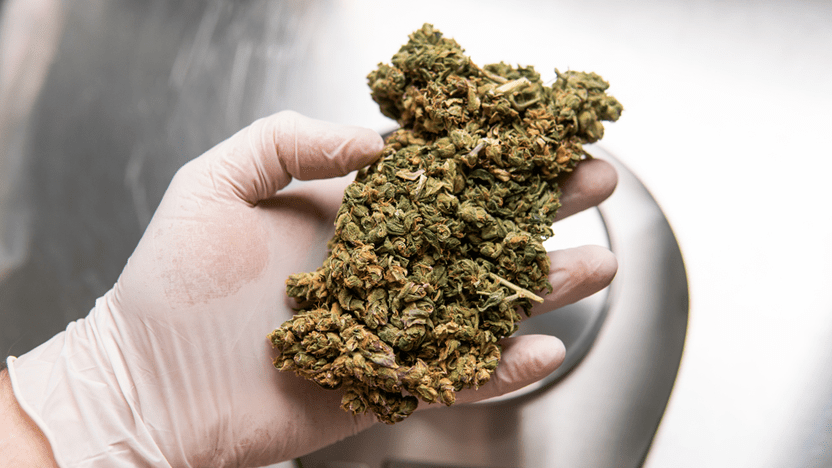
    THCA (tetrahydrocannabinolic acid) is the raw, unheated form of THC. It doesn’t get you high, but it may offer anti-inflammatory, anti-nausea, and neuroprotective effects. It’s found in raw cannabis and is often used by those looking to manage pain or inflammation without any mental fog.

    CBD (cannabidiol), on the other hand, is a fully active compound that’s known for its calming properties. It’s widely used to help with anxiety, sleep, and general stress relief. Unlike THCA, CBD doesn’t convert into something psychoactive, even when heated.

    So Which One Is Better for Wellness?

    Here’s the real answer: it depends on what you’re dealing with. If your main focus is on inflammation, chronic pain, or even muscle spasms, THCA might be your go-to. Especially if you’re using it raw (like in capsules or tinctures), you get potential therapeutic benefits without any high.

    If you’re more concerned about anxiety, mood, or sleep, CBD might fit better. It’s generally easier to find in mainstream wellness products and has more scientific backing when it comes to stress-related issues.

    That said, many people combine both for a fuller, more balanced experience—and that’s something we encourage at Utoya.

    Utoya’s Perspective on THCA vs CBD

    At Utoya, we don’t believe in one-size-fits-all wellness. That’s why we offer both THCA and CBD products, so you can tailor your experience to your specific needs. Our THCA products are crafted from high-quality hemp, lab-tested for purity, and perfect for users who want natural relief without the high. Same goes for our CBD—clean, reliable, and ready when you are.

    Still Unsure Which Is Right for You?

    Give us a call at 813-697-4747 or browse our online store to explore your options. Whether it’s THCA, CBD, or both, Utoya has what you need to feel better, your way.

    This post was written by a professional at Utoya Organics. Utoya Organics is a producer, developer and manufacturer of hemp-derived products. Buy Delta 8 THC, Delta 9 THC, THCP, HHC, THC-O, CBD, CBG, CBN, and more! We formulate our own products and distribute them all over the United States with over 400 locations nationwide. Utoya specializes in cannabinoid products such as edibles, flowers, tinctures, vapes, THCA Pre Roll and more! All of our oil blends are Nano-Amplified to absorb faster (maximum bioavailability). All of our vaping products and hemp flowers are free of any solvents. No MCT, no alcohol, no vitamin E, no VG. Our cannabinoid distillates are never isolates, so it’s always golden in color and very effective. All third-party tested to meet compliance.

  • Creating Space for Emotional Wellness in a Busy Life

    Creating Space for Emotional Wellness in a Busy Life

    In the constant hum of deadlines, notifications, and everyday responsibilities, emotional well-being often becomes an afterthought. But just like physical health, your emotional health needs nourishment, attention, and space especially when life gets busy.

    At Healora, we believe that healing isn’t just about what you eat or how you move it’s also about how you feel, how you cope, and how you care for your inner world. Creating space for emotional wellness doesn’t require dramatic life changes. It starts with small, intentional acts that help you pause, process, and protect your peace.

    Here’s how to begin.

    Why Emotional Wellness Matters

    Emotional wellness is your ability to understand and manage your feelings, build healthy relationships, and navigate stress in a balanced way. When neglected, it can lead to burnout, anxiety, depression, or even physical illness. When nurtured, it creates space for resilience, clarity, and joy.

    In a busy life, emotional wellness becomes your anchor.

    1. Redefine “Busy” with Boundaries

    Not everything needs a “yes.” One of the most powerful ways to protect your emotional energy is to set boundaries around your time, your energy, and your mental space.

    Simple practices:

    • Start saying “no” without guilt
    • Schedule “white space” in your calendar (time with no obligations)
    • Unplug from screens after a set hour each evening

    Busyness is not a badge of honor. It’s okay to rest.

    2. Practice Emotional Check-ins

    Feelings don’t disappear just because we ignore them — they often show up in other ways: stress, fatigue, or irritability. Give yourself a moment each day to name and notice what you’re feeling.

    Try this:

    • Take 2 minutes in the morning or evening to ask: “How am I really feeling today?”
    • Write it down without judgment
    • Ask: “What do I need right now?” — and honor that need if you can

    Naming your emotions helps you move through them, not store them.

    3. Create Micro-Moments of Calm

    Even the busiest days have pockets of peace if you look for them. These short resets help calm your nervous system and reconnect you with the present moment.

    Examples:

    • 60 seconds of deep breathing between tasks
    • A walk without your phone
    • Sipping tea while doing absolutely nothing
    • Listening to calming music during your commute

    You don’t need an hour you just need a moment.

    4. Stay Connected (Gently)

    Emotional wellness thrives in connection — not just with others, but with yourself. Having someone to talk to can lighten your emotional load.

    Try this:

    • Schedule regular check-ins with a trusted friend or therapist
    • Send a simple “thinking of you” message to reconnect
    • Journal your thoughts as if writing to a kind friend

    Being seen and heard is a form of healing.

    5. Make Space to Feel (Not Just Function)

    In busy routines, it’s easy to switch into autopilot. But healing happens when we allow ourselves to feel, not just perform. Give yourself permission to slow down, cry, rest, or celebrate — whatever you need.

    Remind yourself:

    • “I’m allowed to feel this.”
    • “I don’t have to do it all right now.”
    • “My emotions are valid and worthy of care.”

    You are more than your productivity.

    Final Thoughts: Peace is a Practice

    Emotional wellness doesn’t require escaping your busy life it invites you to bring softness into the structure, and intention into the chaos. When you slow down just enough to listen inward, you create the space where healing begins.

    At Healora, we believe true wellness honors every part of you body, mind, and heart. Start with one small shift today. Your emotional well-being is not a luxury. It’s your foundation.

  • Nutritional Healing: Foods That Support the Body’s Natural Detox

    Nutritional Healing: Foods That Support the Body’s Natural Detox

    In a world full of environmental toxins, processed foods, and chronic stress, it’s easy for the body to feel weighed down. But here’s the good news: your body already knows how to cleanse and renew you just need to give it the right support.

    At Healora, we believe that healing starts from within, and nutrition plays a powerful role. Rather than extreme detox diets or expensive cleanses, nutritional healing focuses on real, whole foods that naturally support your body’s detoxification systems every single day.

    Let’s explore how you can nourish your body for deeper vitality, energy, and balance one healing meal at a time.

    Understanding Natural Detoxification

    Your body is constantly detoxing through the liver, kidneys, lungs, skin, and digestive system. These organs work together to eliminate waste and keep your internal systems balanced. But when these pathways are overburdened, you might feel sluggish, bloated, or mentally foggy.

    By eating foods that support these detox systems, you help your body do what it was designed to do cleanse, heal, and thrive.

    Top Foods That Support Natural Detox

    1. Leafy Greens

    Spinach, kale, arugula, and Swiss chard are rich in chlorophyll, which helps cleanse the liver and bloodstream. They’re also high in fiber to support digestion and elimination.

    Try it: Add a handful of greens to smoothies, stir-fries, or soups.

    2. Cruciferous Vegetables

    Broccoli, cauliflower, Brussels sprouts, and cabbage contain compounds that enhance liver detox enzymes and help break down toxins.

    Try it: Lightly steam or roast them with olive oil and lemon for a detox-friendly side dish.

    3. Beets

    Beets are high in antioxidants and support the liver’s detox process. They also improve bile flow, which helps flush out toxins.

    Try it: Blend beets into a juice with carrots and ginger, or roast them with garlic and herbs.

    4. Lemons & Citrus Fruits

    Vitamin C-rich citrus fruits boost immunity and help the body neutralize toxins. Lemon also stimulates digestion and alkalizes the body.

    Try it: Start your morning with warm lemon water to kickstart digestion and hydration.

    5. Garlic

    Garlic contains sulfur compounds that activate liver enzymes and help flush out heavy metals and other harmful substances.

    Try it: Add fresh garlic to dressings, dips, or sautéed vegetables.

    6. Turmeric

    This golden spice reduces inflammation and supports liver function. Its active compound, curcumin, is a powerful antioxidant.

    Try it: Make a soothing turmeric latte or sprinkle turmeric into soups and rice dishes.

    7. Berries

    Blueberries, raspberries, and blackberries are packed with antioxidants that protect cells and support the body’s natural repair processes.

    Try it: Enjoy them as a snack, add to oatmeal, or blend into a detox smoothie.

    8. Fermented Foods

    Probiotic-rich foods like kimchi, sauerkraut, yogurt, and kefir support gut health a key part of the detox process.

    Try it: Add a spoonful of fermented veggies to your meals or try a small glass of kefir daily.

    Don’t Forget Hydration

    Water is essential for flushing toxins out of the body. Aim to drink plenty of pure water throughout the day, and add herbal teas like dandelion, ginger, or peppermint for extra cleansing benefits.

    Simple Daily Detox Tips

    • Eat the rainbow more color = more nutrients
    • Focus on fiber — helps eliminate waste
    • Avoid processed and overly sugary foods
    • Sip herbal teas between meals
    • Practice mindful eating to support digestion

    Final Thoughts: Healing Through Nourishment

    True detoxification isn’t about deprivation it’s about nourishment. When you give your body the right foods, it responds with more energy, clarity, and resilience. Every bite is a chance to heal, restore, and renew.

    At Healora, we honor the body’s natural wisdom. With each wholesome meal, you’re not just feeding yourself you’re fueling your healing.

  • The Healing Power of Breath: Simple Techniques for Everyday Calm

    The Healing Power of Breath: Simple Techniques for Everyday Calm

    In the rush of everyday life, we often overlook one of the most powerful healing tools we have our breath. It’s automatic, constant, and vital. But when used with intention, breath becomes more than just a function of survival it becomes a gateway to healing, calm, and inner balance.

    At Healora, we believe that the body knows how to heal, and breath is one of its most natural allies. Let’s explore how conscious breathing can reduce stress, boost physical health, and reconnect you to the present moment.

    Why Breath Matters

    Your breath is directly linked to your nervous system. Shallow, rapid breathing keeps you in a fight-or-flight state, making you feel anxious, tense, or mentally foggy. Deep, slow breathing activates the parasympathetic nervous system, signaling to your body that it’s safe to relax and restore.

    In essence:
    Your breath is the bridge between your mind and body.

    Benefits of Intentional Breathing

    1. Reduces stress and anxiety
    2. Lowers heart rate and blood pressure
    3. Improves focus and mental clarity
    4. Enhances immune function
    5. Supports better sleep
    6. Increases oxygen flow to cells and organs

    And perhaps most importantly, conscious breathing grounds you in the now a rare and precious state in a distracted world.

    Simple Breathing Techniques to Try

    1. Box Breathing (4-4-4-4)

    Great for: calming the mind and increasing focus
    How to do it:

    • Inhale for 4 seconds
    • Hold for 4 seconds
    • Exhale for 4 seconds
    • Hold for 4 seconds
      Repeat for 4–5 rounds.

    2. Deep Belly Breathing

    Great for: reducing anxiety and relaxing the body
    How to do it:

    • Place one hand on your chest, one on your belly
    • Inhale deeply through your nose, allowing your belly to rise
    • Exhale slowly through your mouth, letting your belly fall
      Try this for 3–5 minutes, especially during moments of stress.

    3. Alternate Nostril Breathing (Nadi Shodhana)

    Great for: balancing energy and calming the nervous system
    How to do it:

    • Close your right nostril and inhale through your left
    • Close your left nostril and exhale through your right
    • Inhale through the right, close, exhale through the left
      Repeat the cycle for 1–3 minutes.

    Incorporating Breath Into Daily Life

    You don’t need to sit on a cushion or dedicate an hour to feel the benefits of breathwork. Try these moments:

    • A few deep breaths before responding to a stressful email
    • Box breathing during your commute
    • Gentle belly breathing before meals
    • Conscious inhales and exhales before bed

    Healing doesn’t always require doing more — sometimes it’s about being more present.

    Final Thoughts: Breathe to Heal

    Your breath is always with you steady, quiet, and powerful. By learning to use it with intention, you unlock a natural source of calm, energy, and resilience.

    At Healora, we believe healing starts within. And breath is your most intimate, accessible path to peace. So the next time you feel overwhelmed, remember: just pause, and breathe.

Design a site like this with WordPress.com
Get started